
Tattoo Myths Debunked: Separating Tattoo Facts from Fiction
Tattoos have evolved from ancient cultural traditions into a widely embraced form of self-expression, art, identity, and personal storytelling. Yet, despite their growing popularity, countless myths and misconceptions about tattoos continue to circulate. From claims that all tattoos are unbearably painful to misconceptions about tattoo ink, healing, fading, aftercare, skin types, and laser tattoo removal, it can be difficult to distinguish reliable information from outdated advice.
If you’re considering your first tattoo, planning a new custom design, caring for a recently tattooed area, or thinking about removing an unwanted tattoo, knowing the facts can help you make safer and more informed decisions. The truth is that every tattoo experience is influenced by factors such as tattoo placement, design, size, technique, ink, skin type, healing process, aftercare, and individual response. Similarly, tattoo removal isn’t a one-size-fits-all process, and results can vary depending on the tattoo and the technology used.
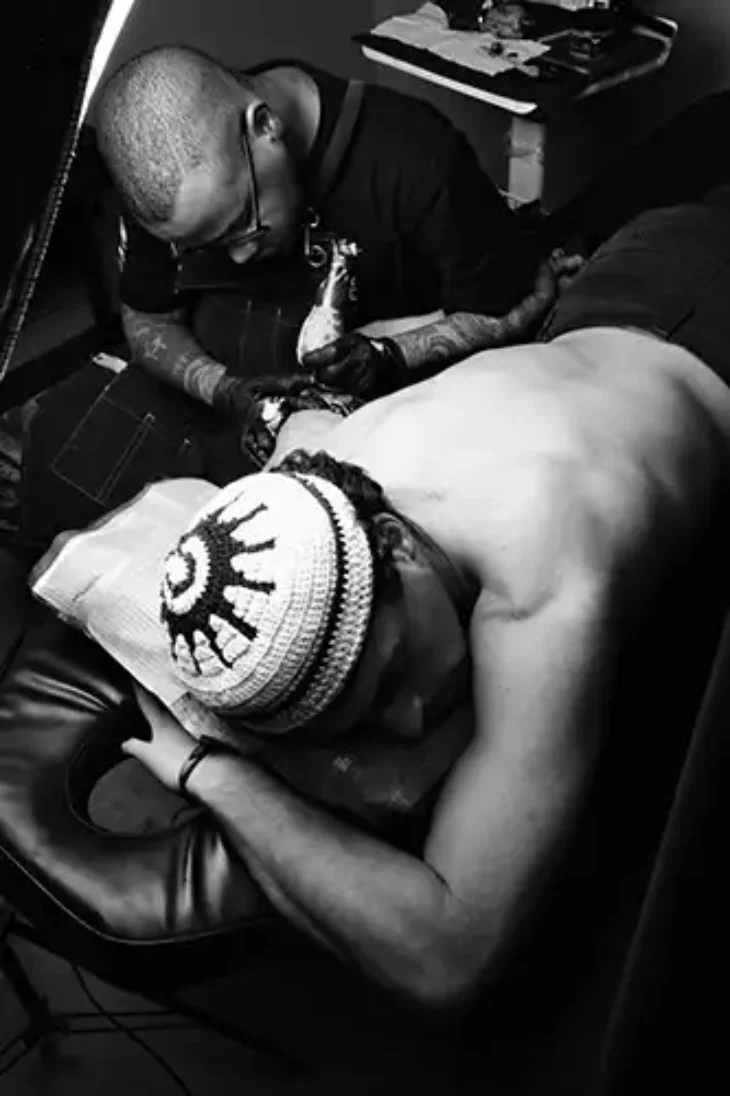
In this comprehensive Tattoo Myths Debunked guide, we’ll separate tattoo facts from fiction and address some of the most common misconceptions surrounding professional tattooing and tattoo removal. We’ll explore the truth about tattoo pain, tattoo ink, tattoo safety, healing, fading, aftercare, tattoo longevity, skin types, and laser tattoo removal, helping you understand what you should realistically expect before, during, and after your tattoo journey.
At Rebel Inks Tattoos, Tattoo Removal & Body Piercings Parlour in Nairobi, we believe that an informed client is a confident client. From choosing the right tattoo design and placement to understanding proper aftercare or exploring professional tattoo removal options, our goal is to help you approach every step with realistic expectations and professional guidance.
1. Myth: Tattoos Are Always Extremely Painful
One of the most common misconceptions about tattoos is that getting a tattoo is always extremely painful. This belief can discourage people from getting a tattoo, particularly first-time clients who may have heard dramatic stories from friends, social media, or online discussions. The reality is much more nuanced: tattooing does involve some level of discomfort, but the intensity varies considerably from person to person and from one tattoo location to another.
A tattoo needle repeatedly penetrates the skin to deposit pigment into the dermis. Because the skin contains nerve endings, this process naturally creates a sensation. However, describing every tattoo as unbearably painful is inaccurate. Many clients describe the feeling as scratching, stinging, vibrating, burning, or a repetitive scraping sensation, rather than severe pain.
What Determines How Much a Tattoo Hurts?
Several factors can influence your experience during a tattoo session.
Tattoo Placement
Where you get tattooed can have a major impact on comfort. Areas with more muscle and cushioning may be easier for many people to tolerate, while areas with thinner skin, more nerve endings, or greater proximity to bone can feel more sensitive.
Commonly more sensitive areas can include:
- Ribs
- Sternum
- Spine
- Feet and ankles
- Knees
- Elbows
- Hands and fingers
- Certain areas of the inner arm
- Certain areas of the thigh or hip
Areas such as the outer upper arm, shoulder, and some parts of the thigh are often considered more manageable by many clients. However, there is no universal pain chart that applies to everyone. Your individual experience may be completely different from someone else’s.
Your Individual Pain Tolerance
Everyone experiences pain differently. What feels uncomfortable to one person may be relatively easy for another. Factors such as your previous experiences with pain, stress level, fatigue, anxiety, and general sensitivity can influence how you perceive a tattoo session.
This is why asking another person, “How painful was your tattoo?” doesn’t necessarily predict how your own tattoo will feel. Instead of focusing solely on pain stories from other people, it’s better to discuss your concerns with your professional tattoo artist before your appointment.
Tattoo Size and Session Length
A small tattoo completed relatively quickly may be easier to tolerate simply because your skin isn’t being worked on for as long.
Larger and more complex tattoos can require significantly longer sessions. As the session continues, the tattooed area may become increasingly sensitive because the skin has already experienced repeated needle passes.
This doesn’t necessarily mean that a large tattoo will be more painful than a small tattoo. Placement, technique, design complexity, and session duration all work together to influence the experience.
Tattoo Style and Technique
Different tattoo styles can involve different techniques and amounts of time working on the skin. For example, a tattoo involving extensive color saturation, heavy blackwork, shading, or repeated passes may create a different sensation from a simple fine-line design.
The artist’s technique also matters. An experienced professional understands how to work efficiently and appropriately while maintaining good artistic and hygiene standards.
Your Physical and Mental Preparation
Your condition on the day of your appointment can also affect your tattoo experience.
Arriving well-rested, hydrated, and properly nourished can help you feel more comfortable throughout the session. Anxiety can also make sensations feel more intense, so understanding what to expect may help reduce unnecessary stress.
- Before your appointment:
– Get adequate sleep.
– Eat an appropriate meal beforehand.
– Stay hydrated.
– Wear comfortable clothing that provides easy access to the tattoo area.
– Avoid arriving exhausted or overly stressed.
– Communicate openly with your tattoo artist about your concerns.
If you are nervous about pain, tell your artist before the session begins. A professional artist can explain the process and help you understand what to expect.
What Does Getting a Tattoo Actually Feel Like?
Rather than assuming that tattooing feels the same for everyone, it can be helpful to understand the types of sensations clients commonly describe. Depending on the tattoo and placement, you may experience sensations such as:
- Scratching: A repetitive scratching sensation is one of the most common descriptions, particularly during outlining.
- Stinging: Certain areas may feel sharper or more sensitive as the needle works over the skin.
- Vibration: The movement of the tattoo machine can create a noticeable buzzing or vibrating sensation.
- Heat or burning: After an area has been worked repeatedly, it may feel warm or irritated.
- Tenderness: As the session progresses, the tattooed skin may become increasingly tender.
The important point is that discomfort does not automatically mean something is going wrong. Some degree of sensation is a normal part of professional tattooing. However, unusual or severe symptoms should always be communicated to your artist and, where appropriate, evaluated by a healthcare professional.
Does Tattoo Pain Get Worse During the Session?
It can.
At the beginning of a session, the sensation may feel relatively manageable. As the artist repeatedly works over the same area, the skin can become more sensitive and tender. This is one reason our experienced tattoo artists pay attention to the condition of the skin during a session. For larger or particularly demanding tattoos, breaks may also be appropriate.
Longer sessions aren’t necessarily better sessions. The goal should be a quality tattoo performed appropriately while taking the condition of the client’s skin and overall comfort into consideration.
Are Some Tattoo Styles Less Painful Than Others?
There isn’t a universal rule stating that one tattoo style will always hurt less than another. A small minimalist or fine-line tattoo may sometimes involve a shorter session, while a large realism, blackwork, or heavily saturated color tattoo may require substantially more time.
However, placement can be more important than style alone. For example, a relatively large tattoo on a comfortable area may be easier for someone to tolerate than a small tattoo placed over a highly sensitive area.
Can You Make a Tattoo Less Uncomfortable?
While there is no guaranteed way to make tattooing completely painless, good preparation can help make the experience more manageable.
Before Your Appointment
- Get enough rest: Fatigue can make a long session more difficult.
- Eat beforehand: Arriving hungry may make you feel weak or uncomfortable during an extended appointment.
- Stay hydrated: Maintaining normal hydration is part of good preparation.
- Wear appropriate clothing: Choose clothing that allows easy access to the tattoo location while keeping you comfortable.
- Communicate with your artist: If you’re anxious or concerned about pain, mention it before the tattoo begins.
- Avoid experimenting with products: Don’t apply numbing products or other substances to your skin without first discussing them with your tattoo professional. Product ingredients and use can affect the tattooing process and your skin.
What About Numbing Cream?
Topical numbing products are sometimes used in tattooing, but they shouldn’t automatically be considered the answer to tattoo discomfort.
Whether a numbing product is appropriate depends on the specific product, how it is used, the tattooing process, and the artist’s approach. Some products may affect the skin or change how the tattooing process feels.
Always discuss numbing products with your tattoo artist before using them, rather than applying an unfamiliar product immediately before your appointment.
2. Myth: Tattoos Last Forever Without Changing
One of the biggest misconceptions about tattoos is that once a tattoo is healed, it will look exactly the same for the rest of your life. While tattoos are designed to be long-lasting and permanent, they are not completely immune to the natural aging and changing of your skin.
A professionally applied tattoo can remain recognizable and attractive for many years, but the appearance of the tattoo can gradually change over time. Lines may become softer, colors may lose some of their intensity, and fine details may become less defined. These changes are a normal part of having a tattoo and do not necessarily mean that the tattoo was poorly done.
Understanding why tattoos change—and what you can do to slow the process—can help you make better decisions when choosing your tattoo design, placement, and aftercare routine.
Myth vs. Fact
- ❌ Myth: Once a tattoo heals, it will look exactly the same forever.
- ✅ Fact: Tattoos are permanent, but their appearance can gradually change because of skin aging, sun exposure, pigment characteristics, tattoo placement, friction, lifestyle, and the natural healing process.
Why Do Tattoos Change Over Time?
A tattoo isn’t a static image sitting on top of your skin. It becomes part of your skin, which means the tattoo is affected by many of the same things that affect your skin throughout your lifetime.
Your skin naturally changes as you age. It can become thinner, lose elasticity, develop wrinkles, and experience changes in texture. Because tattoo pigment is located within the skin, these changes can influence how the tattoo looks. Think of your tattoo as a piece of artwork that ages along with the canvas it’s placed on.
Sun Exposure Can Cause Tattoo Fading
One of the biggest factors contributing to tattoo fading is UV exposure. Ultraviolet radiation from the sun can affect tattoo pigments and contribute to gradual fading. People who regularly spend significant amounts of time outdoors without protecting their skin may notice their tattoos losing some of their original vibrancy over the years.
This is particularly relevant in sunny environments where skin receives frequent UV exposure.
How Can You Protect Your Tattoo?
Once your tattoo has completely healed, protecting it from excessive sun exposure can help preserve its appearance.
- Consider:
– Wearing clothing that covers the tattoo when appropriate.
– Using a broad-spectrum sunscreen on fully healed tattooed skin.
– Reapplying sunscreen when spending extended periods outdoors.
– Avoiding unnecessary prolonged exposure to intense sunlight.
Important: Follow your tattoo artist’s instructions regarding sun exposure while the tattoo is still healing. A fresh tattoo requires different care from a fully healed tattoo.
Skin Aging Affects Your Tattoo
Your skin doesn’t remain exactly the same throughout your lifetime. As you age, your skin can naturally experience:
- Loss of elasticity
- Changes in texture
- Wrinkling
- Changes in collagen
- Changes in skin thickness
- Changes in pigmentation
Because your tattoo exists within your skin, these changes can influence its appearance.
This doesn’t mean your tattoo will suddenly become unrecognizable. Rather, the design may gradually soften or change in appearance over many years. And that’s perfectly normal.
Tattoo Lines Can Become Softer
Fresh tattoos often have exceptionally crisp lines. Over time, however, tattoo lines can become less sharply defined.
This is sometimes referred to as line spreading or blurring, although the degree varies significantly between tattoos. Several factors can contribute to how lines age, including:
- How deeply pigment was deposited
- Tattoo technique
- Ink saturation
- Line thickness
- Skin characteristics
- Tattoo placement
- UV exposure
- Natural aging
This is one reason choosing an experienced tattoo artist matters.
Our skilled artist understands how different tattoo techniques interact with the skin and can create designs with long-term readability and appropriate spacing.
Fine-Line Tattoos Require Special Consideration
Fine-line tattoos are extremely popular because of their delicate and sophisticated appearance. However, their very fine details mean that how they age should be considered before getting one.
Very small details and closely packed lines may soften over time. This doesn’t mean that fine-line tattoos are guaranteed to disappear. Instead, their long-term appearance depends on factors such as:
- Artist technique
- Ink placement
- Design size
- Skin type
- Placement
- Aftercare
- Sun exposure
- Individual healing
When planning a fine-line tattoo, a professional artist can help determine whether the design needs to be slightly enlarged, simplified, or adjusted to improve its long-term appearance.
Tattoo Colors Can Change in Appearance
Different pigments can behave differently as tattoos age. Some colors may appear less vibrant over time, particularly with repeated UV exposure. The tattoo may gradually lose some of the contrast and intensity it had immediately after healing.
This doesn’t necessarily mean the pigment has completely disappeared. Instead, the tattoo’s overall appearance may become softer, lighter, or less saturated. Black ink can also soften over time, while some colors may lose vibrancy more noticeably depending on the pigment and the amount of environmental exposure.
Tattoo Placement Matters
Where you place your tattoo can influence how it ages. Areas that experience frequent:
- Sun exposure
- Friction
- Movement
- Stretching
- Contact with clothing
- Repeated washing
may experience different long-term changes compared with areas that receive less environmental exposure. For example, tattoos on the hands and fingers can experience considerable everyday wear because these areas are constantly exposed to washing, friction, sunlight, and movement.
Our professional tattoo artist can help you consider both aesthetics and long-term durability when choosing placement.
Your Lifestyle Can Affect Tattoo Longevity
Your daily habits can influence how your tattoo looks over the years. For example, people who spend considerable time outdoors may experience more UV exposure than someone who spends most of their time indoors.
Other factors that can affect the appearance of tattooed skin include:
- Frequent sun exposure
- Repeated friction
- Certain occupational activities
- Changes in body size
- Skin stretching
- General aging
This doesn’t mean you need to change your entire lifestyle because you have a tattoo. It simply means that tattoo longevity is influenced by more than the tattoo artist’s work on the day of your appointment.
Weight Gain or Weight Loss Doesn’t Automatically Ruin a Tattoo
Another common misconception is that significant changes in body weight will automatically destroy a tattoo.
That’s not necessarily true. Skin can stretch and change when your body size changes, but the effect on a tattoo varies depending on factors such as:
- The amount and speed of weight change
- Tattoo placement
- Skin elasticity
- Existing stretch marks
- Tattoo size and design
Some tattoos may change very little, while others may experience noticeable changes in shape or proportions. Again, there is no universal outcome for everyone.
Good Aftercare Starts the Tattoo’s Life on the Right Foot
Although aftercare cannot stop natural aging, proper tattoo aftercare is essential during the initial healing period.
A fresh tattoo needs time to heal properly. Following your tattoo artist’s aftercare instructions can help support the healing process and reduce the likelihood of avoidable problems.
Good aftercare generally involves following professional instructions regarding:
- Cleaning
- Moisturizing
- Avoiding unnecessary touching
- Protecting the tattoo from contamination
- Avoiding prolonged soaking while healing
- Avoiding excessive sun exposure during healing
- Not picking or scratching the tattoo
The better your tattoo heals, the better foundation it has for its long-term appearance.
Does a Tattoo Need Touch-Ups?
A tattoo touch-up can be appropriate when certain areas have healed lighter than expected or when the tattoo has naturally lost some definition over time.
However, not every tattoo automatically requires a touch-up. Our professional tattoo artist should assess the healed tattoo before deciding whether additional work is necessary.
Touch-ups can potentially help restore:
- Line definition
- Saturation
- Contrast
- Small details
- Overall visual impact
It’s important to allow the tattoo to fully heal before evaluating whether a touch-up is necessary.
Learn More: How to Tell If You Need a Tattoo Touch-Up →
Can You Prevent Your Tattoo From Fading?
You cannot completely stop a tattoo from changing over the course of your lifetime, but you can take steps to help preserve its appearance.
- Protect Your Tattoo From Excessive Sun: UV exposure is one of the biggest environmental factors affecting tattoo appearance.
- Follow Proper Aftercare: Give your new tattoo the care it needs during the healing process.
Keep Your Skin Healthy: Maintaining healthy skin can help your tattoo continue to look its best. - Choose a Professional Tattoo Artist: Quality tattoo application matters. Proper technique, appropriate pigment placement, design planning, and professional hygiene all contribute to the overall result.
- Think About Longevity Before Getting Tattooed
– Don’t only ask: “Does this tattoo look good today?”
– Also ask: “Will this design continue to look good as it ages?”
3. Myth: All Tattoos Eventually Turn Blue or Green
One of the oldest and most persistent tattoo myths is that every tattoo will eventually turn blue or green as it ages. You may have heard stories about older tattoos becoming a strange blue-green color, leading some people to believe that this is simply an unavoidable part of having a tattoo.
A professionally applied tattoo does not automatically turn blue or green with age. However, tattoos can change in color, saturation, contrast, and overall appearance over time. The way a tattoo ages depends on several factors, including the pigments used, how the tattoo was applied, exposure to sunlight, the depth and density of the pigment, the individual’s skin, and how well the tattoo is cared for.
Understanding why older tattoos can sometimes appear bluish, greenish, or faded can help you make better decisions when choosing a tattoo artist, ink, design, and placement.
Myth vs. Fact
- ❌ Myth: “Every tattoo eventually turns blue or green.”
- ✅ Fact: Tattoos can fade or change in appearance over time, but they do not inevitably turn blue or green. Changes depend on the tattoo’s pigments, application, skin, UV exposure, placement, aftercare, and other factors.
Why Do Some Older Tattoos Look Blue or Green?
The blue-green appearance associated with some older tattoos can be influenced by how tattoo pigments age and how they interact visually with the skin over time.
Black tattoo ink is not necessarily a single, pure black pigment. Tattoo inks can contain combinations of pigments that create a black appearance. As a tattoo ages and some components of the pigment fade or become less visually dominant, the remaining tones can sometimes give the tattoo a cooler, bluish, greenish, or grey appearance.
This is one reason an older tattoo may not look identical to the fresh, intensely dark tattoo it was immediately after application.
However, this should not be interpreted as: “Black tattoos always turn blue.” They don’t.
Modern professional tattoo pigments and improved tattooing practices can produce tattoos that maintain their appearance for many years when appropriately applied and cared for.
Tattoo Ink Quality Matters
The quality and characteristics of the pigment used can influence how a tattoo looks as it ages. Professional tattoo artists should use reputable tattoo pigments intended for professional tattooing and follow applicable safety and regulatory requirements.
Lower-quality or unsuitable pigments may behave differently over time and can contribute to undesirable changes in appearance. When choosing a tattoo studio, don’t be afraid to ask questions about:
- The tattoo ink being used
- Pigment quality
- Ink handling
- Hygiene procedures
- Professional experience
- Aftercare recommendations
A beautiful tattoo starts with more than just a good design. The materials and technique matter too.
Sun Exposure Can Change Tattoo Color
One of the most important factors affecting tattoo longevity is UV exposure. Your tattoo is exposed to the same environment as the rest of your skin. Repeated exposure to sunlight can contribute to the gradual fading and alteration of tattoo pigments.
Over time, excessive sun exposure can make a tattoo appear:
- Less vibrant
- Lighter
- Less saturated
- Less contrasted
- Softer around the edges
Certain colors may also lose their intensity more noticeably than others. Protecting Your Tattoo From the Sun. Once your tattoo has fully healed, protecting the area from excessive UV exposure can help preserve its appearance.
When appropriate:
- Cover the tattoo with clothing during prolonged sun exposure.
- Use a broad-spectrum sunscreen on fully healed tattooed skin.
- Reapply sunscreen during extended outdoor activities.
- Avoid unnecessary prolonged exposure to intense sunlight.
Never treat sunscreen as a substitute for proper fresh-tattoo aftercare. A newly tattooed area should be cared for according to your tattoo artist’s healing instructions.
Skin Aging Can Affect Tattoo Appearance
Your tattoo ages because your skin ages. Over the years, skin naturally changes in:
- Elasticity
- Texture
- Thickness
- Collagen structure
- Pigmentation
- Overall appearance
Since tattoo pigment is deposited within the skin, changes in the skin can influence the way the tattoo appears. A tattoo that looked extremely crisp and bold when you were younger may eventually appear somewhat softer. This is normal. It doesn’t necessarily mean that the tattoo has “gone bad.”
Tattoo Placement Makes a Difference
Where your tattoo is located can influence how it ages. Some areas experience more:
- Sun exposure
- Friction
- Movement
- Washing
- Contact with clothing
- Environmental exposure
For example, tattoos on the hands, fingers, feet, and other frequently exposed or high-friction areas can experience more wear than tattoos in areas that are normally covered. This doesn’t mean that tattoos in these locations are a bad idea. It simply means that placement should be considered as part of your long-term tattoo planning. Our professional tattoo artist can explain the advantages and potential challenges associated with different placements.
Tattoo Technique Can Affect Long-Term Appearance
Professional tattooing isn’t simply about putting ink into the skin. The artist needs to understand how the skin responds to tattooing and how pigment should be deposited.
If pigment is deposited too shallowly, it may not retain properly. If tattooing is performed too aggressively or the skin is excessively traumatized, complications such as scarring or pigment-related issues can occur.
Professional technique aims to achieve appropriate pigment placement while minimizing unnecessary trauma to the skin. This is another reason why choosing a qualified and experienced tattoo artist is important.
Black Ink Doesn’t Automatically Become Green
This is worth emphasizing because it is one of the most common misconceptions. Black tattoos do not automatically turn green. A well-applied black tattoo can remain recognizable and visually strong for many years.
However, as the tattoo naturally fades and the skin changes, the visual appearance of the pigment can change as well. In some older tattoos, this can contribute to the perception of a blue or green undertone.
The age of the tattoo alone isn’t the only factor. Pigment + technique + skin + UV exposure + placement + aftercare all contribute to how a tattoo ages.
Different Tattoo Colors Age Differently
Not all tattoo pigments behave identically. Different colors can have different levels of visual longevity and may respond differently to environmental exposure. For example, some bright pigments can gradually become less vibrant with prolonged UV exposure, while black and darker pigments may gradually become softer and lighter.
This is why professional artists consider color selection and contrast when designing a tattoo. If you want a colorful tattoo that remains visually strong for years, discuss your expectations with your artist before the session.
Fresh Tattoos Look Different From Healed Tattoos
Another reason people believe tattoos “change color” is that a fresh tattoo isn’t representative of its final healed appearance. Immediately after tattooing, the surrounding skin may be:
- Red
- Swollen
- Irritated
- Shiny
- Slightly inflamed
The tattoo may initially appear darker or more intense than it will after healing. As the skin heals, the surface layer recovers and the tattoo settles into its longer-term appearance. Therefore, don’t judge the final color of a tattoo immediately after the appointment.
Allow the tattoo to heal according to your artist’s instructions before evaluating the finished result.
Poor Aftercare Can Affect Tattoo Appearance
Aftercare doesn’t magically prevent tattoo fading, but it is an important part of achieving the best possible healing outcome.
During healing, avoid unnecessary irritation and follow your artist’s specific instructions. Depending on the artist’s recommended method, this may involve appropriate:
- Cleaning
- Moisturizing
- Protection
- Avoidance of excessive sun exposure
- Avoidance of prolonged soaking
- Avoidance of picking and scratching
Picking at scabs or irritating the tattoo can interfere with the healing process and potentially affect how pigment settles.
Can a Faded Tattoo Be Refreshed?
Sometimes, yes.
If an older tattoo has lost some of its original contrast or vibrancy, a professional tattoo artist may be able to refresh or rework it. Depending on the condition of the tattoo, this may involve:
- Strengthening faded lines
- Reapplying pigment
- Restoring contrast
- Refreshing shading
- Enhancing selected colors
- Redesigning certain elements
However, a tattoo should be evaluated professionally before deciding on a touch-up. If the tattoo has significant blurring, scarring, or dense pigment, simply adding more ink may not be the best solution.
What About Cover-Ups?
If you’re unhappy with the color or appearance of an old tattoo, a cover-up tattoo may be another option. A skilled cover-up artist can sometimes incorporate the existing tattoo into a new design rather than simply trying to hide it.
Depending on the original tattoo, options may include:
- Expanding the existing design
- Adding darker elements
- Creating a larger composition
- Incorporating botanical elements
- Using ornamental designs
- Creating blackwork
- Transforming the original tattoo into a completely different concept
However, not every tattoo can be covered effectively without preparation. In some situations, laser tattoo fading may be recommended before a cover-up to lighten the existing pigment and provide the artist with a cleaner canvas.
Can Laser Tattoo Removal Fix a Tattoo That Has Changed Color?
If you’re considering removing an unwanted or significantly faded tattoo, professional laser tattoo removal may be an option. Modern laser tattoo removal works by delivering targeted energy to tattoo pigment, helping break pigment into smaller particles that the body can gradually clear.
However, the results of laser tattoo removal vary considerably. Factors that can influence treatment include:
- Tattoo color
- Pigment composition
- Tattoo age
- Tattoo size
- Ink depth
- Ink density
- Skin tone
- Tattoo location
- Laser technology and wavelength
- Individual response
Some colors and pigment formulations can be more challenging to treat than others. A professional assessment is therefore important before starting treatment.
How to Make Your Tattoo Age Gracefully
While you can’t stop your skin from aging, you can take steps to help your tattoo maintain its appearance.
- Choose an Experienced Tattoo Artist: Professional application and thoughtful design are important foundations for a tattoo that ages well.
- Choose the Right Size: Extremely detailed artwork may require sufficient space to remain readable over time.
- Consider Placement Carefully: Think about sun exposure, friction, movement, and your everyday lifestyle.
- Follow Your Aftercare Instructions: Give your tattoo the best possible environment to heal.
- Protect Healed Tattoos From Excessive UV Exposure: Sun protection is one of the simplest ways to help preserve tattoo appearance.
- Maintain Healthy Skin: Your tattoo lives within your skin, so taking care of your skin also supports its appearance.
- Consider a Professional Touch-Up When Appropriate: If your tattoo has naturally faded or lost definition, a professional assessment can determine whether a touch-up could help.
4. Myth: Tattoo Ink Stays Only on the Surface of Your Skin
One of the most common misconceptions about tattooing is that tattoo ink simply sits on top of the skin. This may seem logical when you look at a freshly completed tattoo, but it isn’t how professional tattooing works.
- ❌ Myth:“Tattoo ink stays on the surface of your skin.”
- ✅ Fact: Professional tattooing deposits pigment into the deeper layer of the skin known as the dermis. The outermost layer of skin, the epidermis, continuously sheds and renews itself. If tattoo pigment were placed only on the surface, the design would gradually disappear as those superficial skin cells were naturally replaced.
Understanding where tattoo ink goes—and what happens to it after it enters the skin—can help you better understand why tattoos are considered permanent, why they can fade over time, and how laser tattoo removal works.
Understanding the Layers of Your Skin
To understand tattoo ink, it helps to first understand the basic structure of your skin. Your skin consists of several layers, but two are particularly important when discussing tattoos:
The Epidermis
The epidermis is the outermost layer of your skin. It provides a protective barrier between your body and the outside environment. The epidermis is constantly renewing itself. Old skin cells are shed while new cells develop. If tattoo ink were deposited exclusively in this superficial layer, the tattoo would not remain permanent.
The Dermis
The dermis lies beneath the epidermis and contains structures such as blood vessels, nerves, hair follicles, and connective tissue. During professional tattooing, the needle penetrates through the epidermis and deposits pigment into the dermal layer. This is one of the main reasons a professionally applied tattoo can remain visible for many years.
Why Doesn’t the Tattoo Simply Disappear When Your Skin Sheds?
This is where one of the biggest misconceptions about tattoos comes from. Your outer skin continuously sheds. So you might reasonably ask:
“If my skin is constantly renewing itself, why doesn’t my tattoo disappear?”
The answer is that the tattoo pigment isn’t intended to remain only in the constantly renewing outer layer. During tattooing, pigment is introduced into the dermis, where it can remain for a long time.
Although the tattoo may gradually change in appearance, the pigment isn’t simply shed away with the superficial skin cells.
What Happens When Tattoo Ink Enters the Skin?
Tattooing creates a controlled form of skin injury. As the tattoo needle repeatedly penetrates the skin, it deposits tiny particles of pigment into the dermal tissue.
Your body recognizes this process and responds through its normal immune and healing mechanisms. Some pigment particles may be taken up by immune cells, while other pigment remains within the dermal environment.
This helps explain an important characteristic of tattoos: The tattoo remains visible because pigment persists within the skin rather than simply sitting on its surface.
Why Does Your Body Not Simply Remove All the Ink?
Your immune system is constantly working to identify and deal with foreign particles. However, tattoo pigments are persistent. Some pigment particles are too large or otherwise difficult for the body to completely eliminate quickly.
Immune cells can engulf pigment particles, but when those cells eventually die, pigment can remain in the surrounding tissue and may be taken up by other cells. This contributes to the long-term persistence of tattoo pigment in the skin.
That doesn’t mean the pigment is completely unchanged forever. Tattoo appearance can still evolve as the skin ages and as pigments are affected by factors such as UV exposure and natural skin changes.
Does Tattoo Ink Go Into Your Bloodstream?
This is another question people frequently ask. The body can transport very small amounts of tattoo pigment or pigment-related material away from the tattooed area through normal biological processes. Some pigment can also be found in nearby lymph nodes.
However, this shouldn’t be confused with the idea that the entire tattoo simply travels through your bloodstream. The vast majority of the visible tattoo remains associated with the tattooed tissue.
Does Deeper Ink Mean a Better Tattoo?
Not necessarily.
The goal of professional tattooing isn’t simply to put pigment as deep as possible. Our artist needs to deposit pigment appropriately within the skin while avoiding unnecessary trauma.
If pigment is deposited too superficially, it may not heal and retain as intended. If tattooing is performed excessively deep or aggressively, it can cause unnecessary skin trauma and potentially contribute to complications such as scarring or unwanted pigment changes.
Professional tattooing is about precision—not maximum depth.
An experienced tattoo artist understands how to work with the skin and adjust technique according to the design, location, and client’s individual circumstances.
What Happens if Tattoo Ink Is Too Shallow?
If pigment doesn’t reach the appropriate layer of skin, several things can happen. The tattoo may:
- Heal lighter than expected
- Lose pigment during healing
- Appear patchy
- Require a touch-up
- Lack the intended saturation
- Have inconsistent lines or shading
This is one reason a tattoo may look different during the healing process than it did immediately after the appointment. Our professional artist can assess the healed tattoo and determine whether any areas need to be touched up.
What Happens if Tattooing Goes Too Deep?
Going deeper isn’t automatically better. Excessive trauma to the skin can contribute to:
- Scarring
- Prolonged inflammation
- Poor healing
- Unwanted pigment spread
- Changes in texture
- Other skin complications
This is sometimes associated with a phenomenon known as blowout, where pigment spreads beyond the intended lines and creates a blurred or shadow-like appearance. Proper technique and knowledge of skin anatomy are therefore extremely important.
Does Tattoo Ink Stay in the Skin Forever?
This question requires an important distinction. Tattoos are considered permanent. However, permanent doesn’t mean visually unchanged forever.
Tattoo pigment can remain in the skin for decades, but the tattoo itself can gradually change in appearance. Over time, you may notice:
- Fading
- Softer lines
- Reduced contrast
- Changes in color intensity
- Changes caused by skin aging
- Changes caused by sun exposure
This is why an older tattoo may look different from the same tattoo when it was first healed.
Why Do Tattoos Fade If the Ink Is in the Dermis?
If the pigment is deposited into the dermis, why does a tattoo fade? Several factors contribute.
- UV Exposure: Repeated exposure to ultraviolet radiation can contribute to pigment degradation and fading.
- Skin Aging: As your skin changes with age, the appearance of the tattoo can change as well.
- Pigment Characteristics: Different tattoo pigments can have different levels of long-term stability.
- Tattoo Technique: How pigment is deposited can influence the tattoo’s long-term appearance.
- Placement: Areas exposed to frequent friction, sunlight, washing, or movement may experience different aging patterns.
- Aftercare and Lifestyle: How you care for your tattoo—particularly during healing—and your long-term exposure to environmental factors can influence its appearance.
5. Myth: You Can’t Donate Blood If You Have Tattoos
One common misconception surrounding tattoos is that once you get a tattoo, you can never donate blood again. This is not generally true.
- ❌ Myth: “People with tattoos cannot donate blood.”
- ✅ Fact: Having a tattoo does not automatically make you permanently ineligible to donate blood. However, blood-donation organizations may apply specific eligibility requirements or temporary waiting periods after getting a new tattoo, depending on where you live, how and where the tattoo was performed, and the applicable health regulations.
The important distinction is between having tattoos and having recently received a tattoo under circumstances that may carry a potential infection risk. If you’re a regular blood donor or planning to donate in the future, understanding these requirements can help you plan your tattoo appointment responsibly.
Why Do Blood Donation Organizations Ask About Tattoos?
The concern isn’t the tattoo itself.
The primary concern is potential exposure to blood-borne infections when tattooing equipment, needles, ink, or hygiene procedures aren’t properly controlled. Professional tattooing involves needles penetrating the skin. If equipment is contaminated or improperly sterilized, there can be a risk of transmitting infections.
Blood-donation organizations therefore use eligibility rules designed to protect both blood donors and people receiving donated blood. These rules can include questions about:
- Recent tattoos
- Recent piercings
- Medical procedures
- Travel
- Certain medications
- Recent illnesses
- Potential exposure to infectious diseases
The exact requirements depend on the blood service responsible for collecting donations.
Does Getting a Tattoo Permanently Stop You From Donating Blood?
No.
Having an old, healed tattoo does not automatically mean you can never donate blood. The important question is generally when and under what conditions the tattoo was performed, along with the current eligibility requirements of the blood-donation organization in your area.
This is why you should not assume: “I have tattoos, so I’m not allowed to donate blood.” Instead, check the current requirements of your local blood service.
Why Might There Be a Waiting Period After Getting a Tattoo?
Some blood services may require a temporary waiting period after a tattoo.The reason is related to the possibility of exposure to infections during the tattooing process.
A properly performed tattoo in a professional environment using appropriate hygiene and sterile, single-use equipment presents a different risk profile from tattooing performed in an environment where infection-control practices are inadequate.
Waiting periods give blood-donation organizations an additional safety measure when evaluating eligibility.
What Does Tattoo Hygiene Have to Do With Blood Donation?
At Rebel Inks Tattoos, Tattoo Removal, and Body Piercings Parlour, our professionals take infection prevention seriously. Tattooing involves breaking the skin, so proper hygiene and equipment handling are essential.
Professional practices may include:
- Single-Use Needles: Needles intended for single use should be appropriately disposed of after the procedure.
- Sterile Equipment: Equipment that comes into contact with the tattooing process should be appropriately sterilized or handled according to professional infection-control protocols.
- Gloves: Artists should use appropriate gloves and change them when necessary to prevent cross-contamination.
- Clean Work Surfaces: Work areas and equipment should be cleaned and disinfected appropriately.
- Safe Ink Handling: Tattoo pigments should be handled in a way that minimizes contamination.
- Proper Disposal: Used needles and other contaminated materials should be disposed of safely in appropriate sharps or clinical-waste containers.
These practices aren’t simply about creating a clean-looking studio. They’re fundamental to professional tattoo safety.
Does a Professional Tattoo Mean You Can Donate Immediately?
Not necessarily.
This is an important distinction. Even if your tattoo was performed by a reputable professional using appropriate hygiene practices, you should still follow the blood-donation organization’s eligibility rules.
Don’t assume that because your tattoo was performed in a professional studio, you’re automatically eligible to donate the next day. The blood service makes the final determination based on its own current criteria.
What If You Got a Tattoo Years Ago?
If your tattoo is old and fully healed, the fact that you have a tattoo does not necessarily prevent you from donating blood. Many people have tattoos and continue to donate blood when they meet the applicable eligibility requirements.
When completing a blood-donation screening questionnaire, answer questions about tattoos honestly and accurately. If you’re unsure whether a previous tattoo affects your eligibility, ask the blood-donation organization directly.
What If You Got a Tattoo Recently?
If you’ve recently received a tattoo and want to donate blood, don’t guess about eligibility.
- Instead:
– Identify the blood-donation organization you intend to donate through.
– Check its current tattoo-related eligibility requirements.
– Determine whether a waiting period applies.
– Provide accurate information during donor screening.
– Follow the organization’s instructions.
Requirements can change, so information you received several years ago may no longer be current.
What About Tattoos Done at Home?
This is an especially important consideration. A tattoo performed in an unregulated environment or using equipment that hasn’t been appropriately sterilized can carry greater infection-control concerns.
Home tattooing may involve risks such as:
- Improperly sterilized equipment
- Reused needles
- Contaminated surfaces
- Unsafe ink handling
- Cross-contamination
- Inadequate infection-control procedures
This is one reason choosing a professional tattoo studio with appropriate hygiene and infection-control practices is so important. If you’ve received a tattoo in a situation that may have exposed you to infection, speak directly with the relevant blood-donation organization about your eligibility.
Does Tattooing Affect the Quality of Your Blood?
Simply having a tattoo doesn’t mean that your blood has somehow become permanently “bad” or unsuitable for donation.
The concern surrounding recent tattooing is primarily related to potential infection exposure and blood-donation safety, not the fact that tattoo pigment exists in your skin. A tattoo doesn’t turn your blood into something that can never be donated.
What About Tattoo Ink in Your Blood?
This is another misconception worth addressing. Tattoo pigment is deposited into the skin rather than being injected directly into the bloodstream as the purpose of the procedure.
Small amounts of pigment-related material can interact with the body’s immune system and may be transported away from the tattooed area. However, this does not mean that having tattoo ink automatically makes your blood unsuitable for donation.
Again, blood-donation eligibility is determined by the applicable blood service’s screening criteria.
6. Myth: Getting a Tattoo Makes You Sick
One of the most common fears surrounding tattoos is the belief that getting a tattoo will automatically make you sick. Some people believe that tattooing inevitably causes infections, weakens the immune system, or exposes the body to dangerous substances.
- ❌ Myth: “Getting a tattoo will make you sick.”
- ✅ Fact: Getting a tattoo does not automatically make you sick, but tattooing does involve breaking the skin, which means there are potential health risks if proper hygiene, safe tattooing practices, and aftercare are not followed.
A tattoo is essentially a controlled form of skin trauma. The tattoo needle repeatedly penetrates the skin to deposit pigment into the dermis. Because the skin’s protective barrier is temporarily disrupted, appropriate infection-control practices are extremely important.
Choosing a reputable professional tattoo studio, ensuring appropriate hygiene practices, following aftercare instructions, and understanding your own health circumstances can significantly contribute to a safer tattoo experience.
Why Does Tattooing Carry Some Health Risks?
Your skin acts as one of your body’s important protective barriers. When a tattoo needle penetrates the skin, that barrier is temporarily broken.
This means a tattoo appointment isn’t simply an artistic procedure—it also requires careful attention to hygiene, equipment handling, skin preparation, and aftercare. Potential complications can include:
- Skin irritation
- Temporary swelling
- Redness
- Tenderness
- Allergic reactions
- Infection
- Scarring
- Changes in pigmentation
- Poor healing
- Other skin reactions
Most of these concerns aren’t inevitable. The important point is that professional tattooing should never be treated as completely risk-free. Being honest about potential risks actually helps clients make better decisions.
A Tattoo Is a Controlled Skin Injury
Understanding this concept makes tattoo aftercare much easier. During tattooing, a needle repeatedly enters the skin and introduces pigment. Your body responds to this process through its normal healing mechanisms.
After the tattoo session, it is normal for the tattooed area to experience some temporary:
- Redness
- Sensitivity
- Mild swelling
- Warmth
- Tenderness
- Minor fluid or plasma
- Peeling or itching during healing
Does Every Tattoo Become Infected?
No.
An infection isn’t an inevitable consequence of getting tattooed. However, because tattooing breaks the skin, there is a potential pathway for microorganisms to enter the body.
Get In Touch
For more information on the list above and any other special services,please call or come in for free consultation
Testimonials





















































































































































































































































































OUR LOCATION
Areas We Serve
NAIROBI
KIAMBU
KAJIADO
MACHAKOS