The Best Tattoo Cover-Up Techniques: Transform Old Ink into Stunning New Art
Got a tattoo you no longer love? Whether your tattoo has faded over time, no longer reflects your personality, contains a former partner’s name, or simply wasn’t done the way you envisioned, a tattoo cover-up can give your skin—and your confidence—a fresh start.
Modern tattoo artistry has evolved tremendously, allowing our experienced tattoo artists to transform unwanted tattoos into breathtaking new masterpieces. From black and grey realism to bold color designs, today’s cover-up techniques can conceal almost any existing tattoo when planned correctly.
What Is a Tattoo Cover-Up?
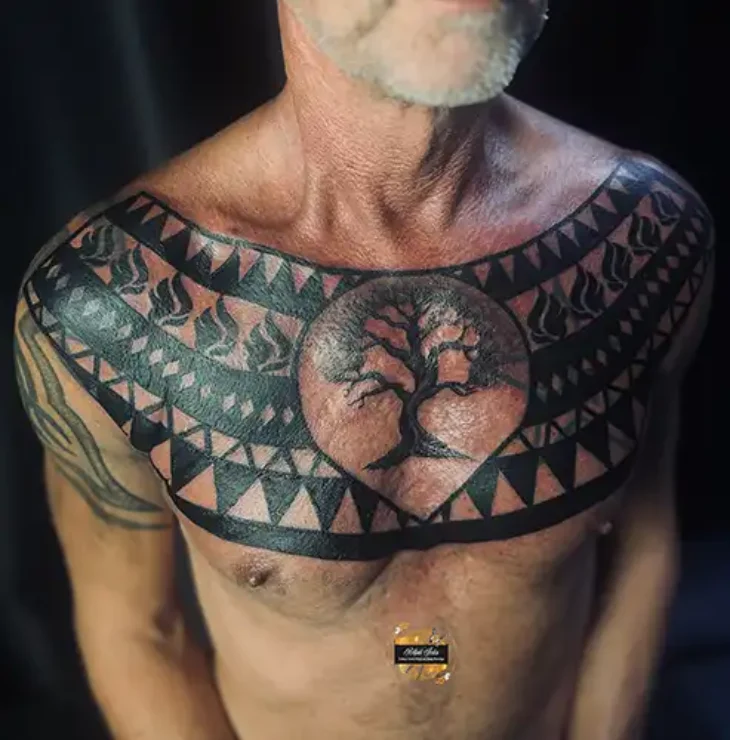
A tattoo cover-up is the art and process of transforming an existing tattoo into a completely new design by strategically tattooing over the old ink. Rather than simply hiding the original tattoo with a larger, darker image, a professional tattoo cover-up uses advanced artistic techniques, careful planning, and expert color selection to create a fresh piece of body art that looks intentional and aesthetically pleasing.
Whether you have an old tattoo that has faded, a design you no longer connect with, a misspelled word, an ex-partner’s name, or a tattoo that was poorly executed, a cover-up offers an opportunity to replace it with artwork you’ll be proud to wear for years to come.
Unlike getting a brand-new tattoo on untouched skin, cover-up tattoos present unique challenges. Our artist must work with the existing ink, taking into account its size, color, depth, placement, and condition to design a new tattoo that effectively conceals the old one without compromising the beauty of the final result.
How Does a Tattoo Cover-Up Work?
A tattoo cover-up works by using carefully selected colors, strategic shading, bold line work, and creative design elements to camouflage the original tattoo beneath a new piece of artwork. Because tattoo ink remains permanently embedded in the skin, the old tattoo isn’t erased—it is visually disguised by the new design.
At Rebel Inks Tattoos, Tattoo Removal, and Body Piercings Parlour our professional tattoo artists evaluate several important factors before beginning a cover-up, including:
- The size of the existing tattoo
- Ink colors used in the original design
- Darkness and saturation of the tattoo
- Placement on the body
- Age and degree of fading
- Skin tone and texture
- Any scarring or previous tattoo work
- Our client’s vision for the new design
Using this information, our artist creates a custom design that naturally incorporates darker areas, shading, textures, and layered details where the original tattoo is most visible. The goal is to make the previous tattoo blend seamlessly into the new artwork rather than simply masking it with heavy black ink.
What Types of Tattoos Can Be Covered Up?
Many unwanted tattoos can be successfully covered, especially when designed by an experienced tattoo cover-up specialist. Common tattoos that clients choose to cover include:
- Ex-partner names and initials
- Outdated symbols or trends
- Poor-quality or amateur tattoos
- Blown-out tattoos
- Faded tattoos
- Unfinished tattoos
- Small tribal designs
- Old script or lettering
- Cartoon tattoos
- Religious symbols that no longer reflect personal beliefs
- Small portraits
- Birthdates or memorial tattoos that clients wish to redesign
The success of a cover-up depends on factors such as the tattoo’s age, size, color, and ink density. While many tattoos can be covered directly, heavily saturated or very dark tattoos may benefit from a few sessions of laser tattoo removal beforehand to lighten the ink and expand design possibilities.
Tattoo Cover-Up vs. Tattoo Removal
Many people wonder whether they should cover their tattoo or remove it entirely. While both options address unwanted tattoos, they serve different purposes.
Tattoo Cover-Up
A tattoo cover-up transforms your existing tattoo into a completely new design without removing the ink from your skin.
- Benefits include:
– Immediate transformation into new artwork
– Often completed in one or more tattoo sessions
– More affordable than complete tattoo removal
– Allows for creative customization
– Ideal for people who still enjoy tattoos but want a different design
Cover-ups are perfect for clients who want to replace an old tattoo with something more meaningful, modern, or visually appealing.
Tattoo Removal
Tattoo removal uses specialized laser technology to break down tattoo pigments so your body’s immune system can gradually eliminate the ink over time.
Tattoo Removal Services in Nairobi, Kenya →
- Benefits include:
– Gradual fading or complete removal of the tattoo
– No need for a larger replacement tattoo
– Increased flexibility if you later decide to get a smaller cover-up
– Effective for people who no longer want any tattoo in that area
However, complete laser tattoo removal typically requires multiple treatment sessions over several months, depending on the tattoo’s size, colors, and depth.
Tattoo Removal vs. Tattoo Cover-Ups →
Tattoo Cover-Up vs. Tattoo Rework
A tattoo rework differs from a cover-up because it improves the existing tattoo rather than replacing it entirely.
Tattoo Rework
- A rework enhances the original design by:
– Sharpening faded lines
– Improving shading
– Adding color
– Increasing detail
– Modernizing the artwork
– Correcting minor imperfections
The original tattoo remains recognizable but appears cleaner, brighter, and more refined. A rework is ideal when you still like the design but want it refreshed by a more experienced artist.
Tattoo Cover-Up vs. Tattoo Refresh
A tattoo refresh, sometimes called a tattoo touch-up or restoration, is intended to restore a tattoo that has naturally faded over time.
- A refresh may involve:
– Darkening faded black ink
– Reapplying lost color
– Enhancing contrast
– Refining line work
– Correcting minor areas that healed unevenly
Unlike a cover-up, a refresh does not significantly alter the original artwork. It simply restores its original vibrancy and definition.
Can Every Tattoo Be Covered?
While many tattoos can be successfully covered, not every tattoo can be concealed with a small or lightly colored design. Some tattoos—particularly those with heavy black ink, dense shading, or multiple previous cover-ups—require larger, darker, and more detailed artwork to achieve complete coverage.
In some cases, our artist may recommend laser tattoo removal to fade the existing tattoo before beginning the cover-up. Even reducing the tattoo’s visibility by 30–70% can dramatically increase the range of designs, colors, and styles available for your new tattoo.
An experienced cover-up artist will provide an honest assessment during your consultation and recommend the approach that offers the best long-term results.
Why Choosing the Right Tattoo Artist Matters
Tattoo cover-ups are among the most technically demanding services in the tattoo industry. They require a deep understanding of color theory, skin anatomy, ink behavior, and artistic composition. An inexperienced artist may simply make the tattoo larger or darker without effectively concealing the original design.
A skilled cover-up specialist will take the time to evaluate your existing tattoo, discuss your goals, and create a custom design that not only hides the old ink but also complements your body shape and personal style. The result should look like a thoughtfully planned tattoo—not a compromise.
If you’re considering a tattoo cover-up, scheduling a professional consultation is the first step toward transforming unwanted ink into a piece of art you’ll be proud to wear for years to come.
Best Tattoo Cover-Up Techniques
Tattoo cover-ups have evolved significantly over the years. Thanks to advancements in tattoo equipment, premium inks, and artistic techniques, experienced tattoo artists can now transform unwanted tattoos into stunning works of art. A successful cover-up is much more than placing a darker tattoo over an old one—it requires creativity, technical expertise, and a deep understanding of color theory, skin anatomy, and tattoo composition.
The best tattoo cover-up technique depends on several factors, including the size, color, age, placement, and density of the existing tattoo. During your consultation, our professional artist will assess these factors and recommend the most effective approach for achieving a natural-looking result.
Below are some of the most effective tattoo cover-up techniques used by professional artists today.
Black & Grey Realism Cover-Ups
Black and grey realism is one of the most popular and effective cover-up techniques because it relies on detailed shading, smooth gradients, and realistic textures to conceal old tattoos. By carefully layering various shades of black, grey, and white, artists can camouflage unwanted lines and shapes while creating lifelike artwork.
This style works particularly well because the intricate shadows naturally draw attention away from the original tattoo, making it virtually invisible beneath the new design.
-
Best For
– Names and lettering
– Portraits
– Tribal tattoos
– Faded tattoos
– Small to medium tattoos
– Older black ink tattoos -
Popular Designs
– Lions
– Wolves
– Owls
– Tigers
– Skulls
– Clocks
– Roses
– Angels
– Ravens
– Religious imagery -
Advantages
– Excellent concealment
– Timeless aesthetic
– Ages well
– Less susceptible to color fading
– Highly versatile
Color Saturation Cover-Ups
Modern tattoo pigments offer incredible vibrancy and opacity. In a color saturation cover-up, artists use richly pigmented inks to hide the existing tattoo while creating a bold, colorful new design.
Darker shades such as deep blue, burgundy, forest green, and dark purple are often layered strategically to cover previous ink without making the tattoo appear muddy.
- Best For
– Old colorful tattoos
– Cartoon tattoos
– Traditional tattoos
– Floral tattoos
– Medium-sized tattoos - Common Color Choices
– Dark Blue
– Forest Green
– Burgundy
– Deep Purple
– Dark Brown
– Black
– Crimson Red - Advantages
– Vibrant appearance
– Excellent camouflage
– Wide range of design possibilities
– Modern aesthetic
Strategic Shading
Shading is one of the most powerful tools in tattoo cover-up artistry. Rather than simply making the entire tattoo darker, experienced artists strategically place shadows where the old tattoo is most visible. This creates depth, dimension, and a natural flow that helps disguise the previous design.
The key is to balance light and dark areas so the finished tattoo appears intentional rather than overly heavy.
- Techniques Used
– Gradient shading
– Layered shading
– Soft transitions
– Contrast balancing
– Shadow mapping - Benefits
– Creates realistic depth
– Reduces visibility of old lines
– Maintains natural-looking artwork
– Enhances overall composition
Texture Camouflage
Highly textured tattoos are excellent for disguising unwanted ink because they break up the visual structure of the old tattoo. Instead of relying solely on dark colors, artists use detailed textures to distract the eye and blend existing lines into the new artwork.
- Popular Textures
– Animal fur
– Bird feathers
– Flower petals
– Leaves
– Smoke
– Clouds
– Water splashes
– Stone
– Tree bark
– Hair - Why It Works
– The human eye naturally focuses on texture and detail, making it difficult to distinguish the old tattoo hidden beneath.
Floral Cover-Up Tattoos
Flowers remain one of the most requested tattoo cover-up options because of their versatility and natural layering. Large petals, overlapping leaves, and dark flower centers provide ideal opportunities to conceal old ink while creating elegant, timeless designs.
- Popular Flowers
– Roses
– Peonies
– Chrysanthemums
– Lotus flowers
– Sunflowers
– Hibiscus
– Orchids
– Magnolia flowers - Best For
– Name cover-ups
– Small tattoos
– Wrist tattoos
– Shoulder tattoos
– Chest tattoos
– Hip tattoos - Advantages
– Feminine and masculine options
– Highly customizable
– Works with many tattoo styles
– Natural shading opportunities
Japanese-Style Cover-Ups
Japanese tattooing is one of the most effective cover-up styles due to its bold outlines, rich shading, dynamic movement, and detailed backgrounds. Traditional Japanese compositions use waves, clouds, wind bars, and floral elements to seamlessly integrate and conceal existing tattoos.
- Popular Subjects
– Dragons
– Koi Fish
– Tigers
– Hannya Masks
– Phoenix
– Samurai
– Cherry Blossoms
– Lotus Flowers
– Snakes - Advantages
– Excellent coverage
– Strong composition
– Rich symbolism
– Ideal for larger tattoos
Blackwork Cover-Ups
Blackwork uses dense black ink and bold graphic elements to conceal unwanted tattoos. Depending on the design, blackwork can range from intricate geometric patterns to large ornamental pieces or solid black sections.
This technique is often recommended for tattoos that are extremely dark, heavily saturated, or have already been covered once before.
- Blackwork Styles
– Geometric
– Tribal-inspired
– Ornamental
– Dotwork
– Abstract
– Sacred Geometry
– Negative Space - Best For
– Heavy black tattoos
– Failed cover-ups
– Tribal tattoos
– Sleeve transformations
Mandala and Geometric Cover-Ups
Mandalas and geometric tattoos use repeating patterns, symmetry, and layered details to disguise existing tattoos. Their complexity naturally conceals old lines while creating visually striking artwork.
- Popular Elements
– Sacred geometry
– Dotwork
– Symmetrical flowers
– Circular patterns
– Decorative line work
– Ornamental lace - Advantages
– Excellent camouflage
– Highly detailed
– Modern aesthetic
– Works on many body areas
Layering and Color Blending
Professional artists often combine multiple colors and layers of ink to create smooth transitions that hide old tattoos. Instead of relying on a single pass, they gradually build depth using carefully selected pigments.
This technique creates richer artwork while minimizing the visibility of underlying ink.
- Used For
– Color tattoos
– Watercolor effects
– Realism
– Nature scenes
– Portraits
Background Integration
Sometimes the key to a successful cover-up isn’t the main subject—it’s the background. Artists use environmental elements to conceal portions of the old tattoo while enhancing the overall composition.
- Popular Background Elements
– Smoke
– Clouds
– Fog
– Fire
– Water
– Mountains
– Forests
– Stars
– Galaxy effects
– Abstract textures
Sleeve Expansion
Rather than covering only the unwanted tattoo, many artists recommend expanding it into a larger sleeve or half-sleeve. This provides significantly more creative freedom and allows the old tattoo to blend naturally into a cohesive design.
- Benefits
– Better concealment
– Balanced composition
– More design options
– Less concentrated darkness
– Greater artistic freedom
Negative Space Techniques
Negative space uses untouched skin as part of the design to create contrast and visual interest. By carefully placing black ink around areas of natural skin tone, artists can redirect attention away from the original tattoo.
This technique is commonly combined with blackwork, geometric tattoos, and ornamental designs.
Blast-Over Tattoos
Blast-over tattoos are a contemporary style in which bold new artwork is tattooed directly over an existing design without completely hiding it. Instead of aiming for full concealment, the artist embraces the interaction between the old and new tattoos to create a layered, artistic effect.
- Best For
– Traditional tattoos
– Blackwork
– Abstract designs
– Clients who appreciate a bold, unconventional aesthetic
While blast-over tattoos can produce striking results, they are a stylistic choice rather than a traditional cover-up. They are best suited for clients who intentionally want elements of the original tattoo to remain visible.
Laser Tattoo Fading Before a Cover-Up
One of the most effective modern techniques isn’t a tattooing method at all—it’s preparing the tattoo through laser fading before applying new ink.
Laser tattoo fading lightens the existing tattoo, making it easier to cover with a wider range of colors and designs. Even a few sessions can dramatically improve the final outcome.
- Benefits
– Expands design options
– Allows for brighter colors
– Reduces the need for heavy black shading
– Makes smaller cover-up designs possible
– Improves the overall appearance of the finished tattoo
Laser fading is especially beneficial for tattoos with dense black ink, highly saturated colors, or multiple layers of previous work.
Choosing the Right Cover-Up Technique
The ideal cover-up technique depends on your individual tattoo and your goals. Factors such as the tattoo’s size, color intensity, age, placement, and skin condition all influence which method will produce the best result. An experienced cover-up artist may combine several techniques—such as strategic shading, texture camouflage, color saturation, and background integration—to create a custom solution tailored to your needs.
A professional consultation is essential. During this process, our artist will evaluate your existing tattoo, discuss your design preferences, and explain whether direct cover-up, laser fading, or a combination of both will provide the most successful transformation.
Ultimately, the best tattoo cover-up is one that not only conceals the old ink but also gives you a piece of art that reflects your personality and that you’ll be proud to wear for years to come.
Factors That Determine a Successful Tattoo Cover-Up
A successful tattoo cover-up is the result of careful planning, technical expertise, and artistic creativity. While modern tattoo techniques can transform many unwanted tattoos into beautiful new works of art, not every cover-up is approached the same way. The effectiveness of a cover-up depends on several factors related to the original tattoo, your skin, and the design you want.
During a consultation, an experienced tattoo cover-up artist will evaluate these factors to determine the most suitable technique, recommend whether laser tattoo fading is necessary, and create a custom design that provides the best possible outcome.
Below are the key factors that determine the success of a tattoo cover-up.
Tattoo Size
The size of your existing tattoo is one of the first considerations when planning a cover-up. In most cases, the new tattoo must be larger than the original to provide enough space for strategic shading, additional details, and balanced composition.
- Small Tattoos:
– Small tattoos are generally the easiest to cover because they offer greater flexibility in design. Common examples include:
→ Initials
→ Small symbols
→ Tiny hearts
→ Stars
→ Simple lettering
→ Small tribal designs
– These can often be transformed into medium-sized floral pieces, animals, or ornamental designs without significantly increasing the tattoo’s overall size. - Medium Tattoos:
– Medium-sized tattoos require more planning but still allow for a wide variety of cover-up options. Artists can often incorporate the original tattoo into larger compositions using textures, shadows, and layered elements. - Large Tattoos:
– Large tattoos present a greater challenge because there is more existing ink to conceal. Successful cover-ups often involve:
→ Full sleeves
→ Half sleeves
→ Back pieces
→ Chest panels
→ Large floral arrangements
→ Japanese-style compositions
→ Black and grey realism
– Larger tattoos usually require more extensive artwork to ensure the original design is fully integrated into the new piece.
Tattoo Darkness and Ink Density
The amount of ink in your existing tattoo significantly influences your cover-up options. Tattoos with heavy saturation and dense black ink are more difficult to conceal than lighter, faded tattoos.
- Lightly Inked Tattoos
– Advantages include:
→ Easier to cover
→ More color choices
→ Smaller replacement designs
→ Better flexibility - Heavily Saturated Tattoos
– These often require:
→ Larger designs
→ Darker color palettes
→ Extensive shading
→ Multiple tattoo sessions
→ Laser tattoo fading before the cover-up
Our professional artists use strategic shading and layered ink rather than simply applying more black ink, helping to create a natural-looking result instead of a heavy or overly dark tattoo.
Tattoo Color
The colors used in the original tattoo play a major role in determining how easily it can be covered. Different pigments respond differently to new ink, and some colors are naturally easier to conceal than others.
- Easier Colors to Cover
→ Black
→ Grey
→ Dark blue
→ Dark purple
– These colors can often be integrated into darker cover-up designs using strategic shading and color layering. - More Challenging Colors
→ White
→ Yellow
→ Lime green
→ Bright orange
→ Neon pigments
– These lighter pigments may remain visible under certain colors, requiring careful planning or laser fading before a cover-up.
Our skilled artist understands color theory and selects pigments that effectively neutralize or disguise the existing tattoo without creating muddy or uneven tones.
Tattoo Age
Older tattoos are often ideal candidates for cover-ups because they naturally fade over time as the body’s immune system gradually breaks down some of the tattoo pigment.
- Older Tattoos
– Benefits include:
→ Lighter ink
→ Softer outlines
→ Greater design flexibility
→ Easier color blending
→ More creative options - New Tattoos
– Fresh tattoos are generally more difficult to cover because the pigments remain dense and vibrant. Most artists recommend waiting until the tattoo has completely healed—typically several months—before considering a cover-up.
Tattoo Placement
The location of your tattoo affects both the cover-up process and the final appearance.
- Easier Areas
→ Upper arm
→ Shoulder
→ Thigh
→ Calf
→ Back
→ Chest
– These areas provide larger surfaces that allow artists to create balanced, detailed compositions. - More Challenging Areas
→ Fingers
→ Hands
→ Feet
→ Ankles
→ Neck
→ Face
→ Wrists
– These locations offer limited space, may experience more friction during daily activities, and often require simpler or more compact designs.
Body movement, skin elasticity, and sun exposure can also influence how the new tattoo heals and ages.
Skin Tone
Your natural skin tone plays an important role in color selection and overall tattoo design. Professional artists choose pigments that complement your complexion while effectively concealing the original tattoo.
- Different skin tones can influence:
– Color vibrancy
– Contrast
– Shading
– Visibility of fine details
– Long-term appearance
Our experienced tattoo artists understand how different pigments heal on various skin tones and adjust their designs accordingly to achieve the best results.
Skin Condition
Healthy skin provides the best foundation for a successful cover-up. Skin quality can affect ink retention, healing, and the overall appearance of the finished tattoo.
- Factors our artist will assess include:
– Elasticity
– Hydration
– Sun damage
– Stretch marks
– Previous injuries
– Scar tissue
– Texture changes
Maintaining healthy skin before your appointment can improve both the tattooing process and the healing outcome.
Scar Tissue
Some tattoos are accompanied by scar tissue resulting from previous tattoo work, injuries, burns, or surgical procedures. Scar tissue behaves differently from normal skin and may not hold ink as consistently.
- When working over scar tissue, artists often:
– Adjust needle depth
– Modify shading techniques
– Use softer gradients
– Schedule additional touch-up sessions if needed
Not all scars are suitable for tattooing, so a professional consultation is essential to determine whether a cover-up is advisable.
Previous Cover-Ups
A tattoo that has already been covered once can be significantly more challenging to transform again. Multiple layers of ink create increased saturation, making concealment more difficult.
- In these situations, our artists may recommend:
– Laser tattoo fading
– Larger designs
– Blackwork
– Japanese-style compositions
– Full sleeve expansion
Planning becomes even more critical to avoid excessive darkness and maintain a visually balanced result.
Tattoo Style
The style of your existing tattoo influences which cover-up techniques are most effective.
- Easier Styles to Cover
– Script and lettering
– Small symbols
– Fine-line tattoos
– Minimalist tattoos
– Simple geometric designs - More Difficult Styles
– Solid tribal tattoos
– Large blackwork pieces
– Dense realism
– Heavy traditional tattoos
– Full-color sleeves
Our artist will select a new style that works with, rather than against, the existing tattoo.
Design Flexibility
Being open to different design ideas can greatly improve the success of your cover-up. Many clients initially want a small replacement tattoo, but this isn’t always realistic.
- Our experienced artist may recommend:
– Increasing the size
– Changing the subject matter
– Adding background elements
– Incorporating textures
– Using darker shading
– Extending the tattoo into a sleeve or larger composition
Allowing our artist creative flexibility often results in a more seamless and visually appealing cover-up.
Experience and Skill of the Tattoo Artist
Perhaps the most important factor in a successful cover-up is the expertise of the tattoo artist. Cover-up work requires far more than the ability to tattoo—it demands advanced knowledge of composition, color theory, ink behavior, and problem-solving.
- Our skilled cover-up specialist will:
– Assess your existing tattoo thoroughly.
– Explain realistic expectations.
– Create a custom design rather than relying on generic templates.
– Use advanced shading and layering techniques.
– Recommend laser fading when it will improve the outcome.
– Ensure the new tattoo looks intentional rather than simply hiding the old one.
Choosing an artist with a strong portfolio of successful cover-ups can make the difference between a tattoo that merely conceals old ink and one that stands on its own as a beautiful piece of art.
Healing and Aftercare
Even the most expertly designed cover-up depends on proper healing. Following your artist’s aftercare instructions helps preserve detail, maintain vibrant color, and reduce the risk of infection or uneven healing.
- For the best results:
– Keep the tattoo clean and moisturized.
– Avoid picking at scabs or peeling skin.
– Stay out of direct sunlight until the tattoo has healed.
– Avoid swimming, hot tubs, and prolonged soaking during the healing period.
– Wear loose clothing that won’t rub against the tattoo.
– Attend any recommended follow-up or touch-up appointments.
Proper aftercare ensures your new tattoo heals evenly and continues to look its best for years to come.
Why a Professional Consultation Is Essential
Every tattoo is unique, which means there is no one-size-fits-all solution for cover-ups. A professional consultation allows our artist to evaluate your existing tattoo, discuss your goals, and develop a customized plan that balances aesthetics with technical feasibility.
By considering factors such as size, color, ink density, skin condition, placement, and your desired style, our experienced tattoo artist can recommend the most effective approach—whether that’s a direct cover-up, laser-assisted fading, or a combination of both. This personalized strategy gives you the greatest chance of achieving a tattoo that not only conceals the old design but also becomes a piece of artwork you’ll be proud to wear.
Get In Touch
For more information on the list above and any other special services,please call or come in for free consultation
Testimonials







































































































































































































































































OUR LOCATION
Areas We Serve
NAIROBI
KIAMBU
KAJIADO
MACHAKOS