Vertical Clitoral Hood Piercing in Nairobi, Kenya
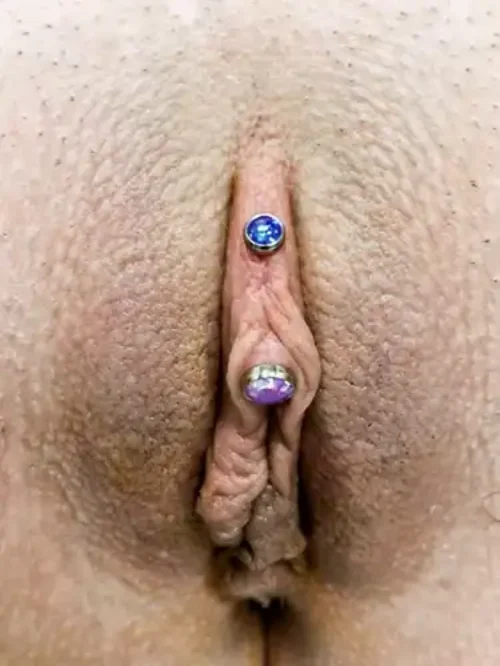
A Vertical Clitoral Hood (VCH) piercing passes vertically through the thin tissue of the clitoral hood, directly above the clitoris (without piercing the clitoris itself). The jewelry rests gently over the clitoris, often enhancing stimulation and sensation during movement or intimacy.
This piercing is both aesthetic and functional, making it one of the most sought-after intimate piercings for those seeking increased sensitivity and visual appeal.
VCH Piercing
Key Features of a Vertical Clitoral Hood (VCH) Piercing
-
Placement: The VCH piercing passes vertically through the thin tissue of the clitoral hood, sitting just above the clitoris — without piercing the clitoris itself. This placement allows the jewelry to rest comfortably and stimulate the area naturally during movement or intimacy.
-
Jewelry Type: Commonly fitted with a curved barbell or a circular barbell, usually in 14g or 16g gauge. The jewelry’s lower bead or end gently touches the clitoris, enhancing sensation while maintaining comfort.
-
Healing Time: Typically heals in 6–10 weeks with proper aftercare. Healing may vary depending on individual anatomy, hygiene, and lifestyle habits.
-
Sensitivity & Functionality: The VCH piercing is highly functional, often increasing sensitivity and arousal due to constant but gentle contact between the jewelry and the clitoris. It’s both aesthetic and pleasure-enhancing.
-
Comfort & Discretion: This piercing is discreet, easily hidden under clothing or swimwear, and causes little to no discomfort once healed. It’s designed to move naturally with the body.
-
Anatomy Dependent: Not everyone’s clitoral hood can be safely pierced. A professional anatomical assessment is required to confirm enough tissue coverage for safe and effective placement.
-
Pain Level: Generally rated as mild to moderate on the pain scale. Most clients describe the sensation as a quick, sharp pinch followed by minimal soreness during the first few days.
-
Material Safety: Recommended jewelry materials include implant-grade titanium, surgical steel, or 14k–18k gold, all of which minimize allergic reactions and promote faster healing.
-
Safety & Hygiene: Must always be performed in a sterile environment by a certified and experienced piercer using single-use needles and autoclave-sterilized tools.
Vertical Clitoral Hood (VCH) Piercing Procedure
Getting a Vertical Clitoral Hood (VCH) Piercing requires both expertise and anatomical understanding. This delicate procedure should only be performed by a qualified and experienced piercer in a sterile, private environment to ensure safety, precision, and comfort.
Step-by-Step VCH Piercing Process
- Consultation and Anatomy Check
– Before the procedure, the piercer conducts a professional anatomical assessment to determine if your clitoral hood is suitable for the piercing.
– Our piercer checks that the hood has enough vertical tissue coverage and proper alignment over the clitoris.
– If the hood is too tight, thin, or flat, a VCH piercing may not be safe or effective, and the piercer may recommend alternatives like a Horizontal Clitoral Hood (HCH) piercing. - Preparation and Sterilization
– You will client is asked to cleanse the genital area and relax comfortably on the piercing table.
– Our piercer wears sterile gloves and thoroughly cleans the area with an antiseptic solution to eliminate bacteria.
– All tools (needles, jewelry, clamps if used) are sterilized in an autoclave and opened in front of the client. - Marking the Placement
– Our piercer carefully marks the entry and exit points using a sterile, skin-safe marker to ensure perfect vertical alignment.
– The placement is checked in a mirror or with client confirmation before proceeding to ensure comfort and preference. - The Piercing Process
– Using a sterile, single-use hollow needle, the piercer quickly and precisely pierces through the clitoral hood tissue, not the clitoris itself.
– The chosen curved barbell or circular barbell is immediately inserted through the new piercing channel.
– The process typically lasts only a few seconds, with minimal bleeding or discomfort. - Jewelry Fitting and Adjustment
– Our piercer ensures that the jewelry fits comfortably with enough room for slight swelling during healing.
– Initial jewelry is usually titanium or surgical steel, chosen for its hypoallergenic properties. - Aftercare Instructions
– Our piercer provides detailed aftercare guidance, including cleaning frequency, hygiene tips, and sexual activity precautions.
– Clients are advised to avoid tight clothing, friction, and sexual activity for at least 2–3 weeks during initial healing.
– Regular check-ups may be scheduled to ensure proper healing progress.
Duration: The entire procedure typically takes 10–15 minutes, including preparation and aftercare discussion.
Pain Level: Most clients describe it as a quick, sharp pinch — more surprising than painful — followed by mild tenderness for a few days.
Considerations Before Getting a Vertical Clitoral Hood (VCH) Piercing
Before getting a Vertical Clitoral Hood (VCH) Piercing, it’s essential to understand that this is a sensitive and anatomy-dependent piercing. It offers both aesthetic and functional benefits — but only when performed safely, professionally, and on suitable anatomy. Below are the key considerations every client should know before booking their session.
-
Anatomical Suitability
– Not everyone’s clitoral hood can be safely pierced.
– The hood must have enough vertical tissue coverage and proper looseness to allow the jewelry to sit comfortably above the clitoris without direct pressure.
– If your anatomy isn’t suitable, our professional piercer may suggest alternatives like the Horizontal Clitoral Hood (HCH) piercing or other intimate placements.
– Professional evaluation is non-negotiable — never self-assess or attempt this piercing at home. -
Hygiene and Preparation
– Good personal hygiene is vital before and after the piercing.
– Shower and gently cleanse the area before your appointment.
– Avoid applying lotions, perfumes, or powders near the piercing site on the day of the procedure.
– Do not shave immediately before the appointment — irritation can increase sensitivity and discomfort.
– Schedule your session when you’re not menstruating for comfort and easier healing management. -
Choose a Qualified Professional
– Only trust a experienced piercer who has specialized training in genital piercings.
– The piercing should take place in a sterile, private environment using autoclave-sterilized equipment and single-use needles.
– Always ensure your piercer discusses placement, jewelry options, and aftercare in detail before proceeding. -
Jewelry Selection
– Initial jewelry should be made from implant-grade titanium, surgical steel, or 14k–18k gold — hypoallergenic materials that promote healing and reduce irritation.
– Avoid cheap, coated, or unknown metal jewelry as these can cause infections or allergic reactions.
– Ensure there’s adequate space for swelling, especially during the initial healing phase. -
Health and Lifestyle Factors
– Inform our piercer about any medical conditions, medications, or allergies, especially those affecting healing or blood clotting.
– Avoid alcohol, caffeine, or blood-thinning medication (like aspirin) 24 hours before your session.
– Plan for a healing period of 6–10 weeks, during which you’ll need to limit sexual activity and avoid friction, tight clothing, and soaking in water (baths, pools, etc.). -
Comfort and Mindset
– Arrive at your appointment calm, clean, and well-rested.
– Eat a light meal beforehand to prevent dizziness.
– Understand that the piercing process is quick — typically less than 10 seconds — and discomfort fades rapidly afterward.
– Emotional comfort and trust in your piercer are just as important as physical readiness. -
Potential Risks
– Possible side effects include mild swelling, tenderness, or light bleeding for a few days.
– Rarely, improper placement or anatomy may lead to jewelry migration or rejection.
– Infections can occur if aftercare instructions are ignored.
– To minimize risks, follow all aftercare directions and contact your piercer if you experience excessive pain, discharge, or irritation.
Pain and Healing for a Vertical Clitoral Hood (VCH) Piercing
The Vertical Clitoral Hood (VCH) Piercing is known for being one of the quicker and easier genital piercings to heal, thanks to the thin tissue and strong blood flow in the area. While everyone’s experience varies, most clients find the process surprisingly tolerable and the healing smooth when proper care is followed.
Pain Level
- Pain During Piercing:
– The actual piercing lasts only a few seconds. Most clients describe it as a sharp, quick pinch or pressure rather than severe pain.
– The sensation may cause a brief reflex reaction due to the area’s high sensitivity, but the discomfort fades almost immediately after the jewelry is inserted. - Pain After Piercing: Mild tenderness, sensitivity, or warmth may occur for the first 24–48 hours. Swelling is normal but should be minimal if aftercare is followed correctly.
- Pain Rating: On average, clients rate the pain as 2–4 out of 10 — much less than expected for such a sensitive area.
Healing Duration
- Initial Healing: 2–4 weeks — swelling, redness, or sensitivity should fade.
- Full Healing: 6–10 weeks — tissue stabilizes and the jewelry settles comfortably.
- Individual Variation: Healing time may vary depending on anatomy, hygiene, lifestyle, and sexual activity frequency.
What to Expect During Healing
- Days 1–3:
– Mild swelling, tenderness, or slight bleeding is normal.
– The area may feel warm or tingly due to increased blood flow. - Week 1–2:
– Minor crusting or discharge (clear or whitish) may appear — this is part of normal healing.
– Continue gentle saline cleaning twice daily. - Week 3–6:
– Sensitivity decreases, and jewelry movement feels more natural.
– Sexual activity can gradually resume once there’s no pain, tenderness, or discharge. - Week 6–10:
– Complete tissue healing and stabilization occur.
– Jewelry can be changed or downsized (by your piercer) if needed.
Tips for a Smooth Healing Process
- Clean the area twice daily with sterile saline or a mild, fragrance-free cleanser.
- Always wash hands before touching or cleaning the piercing.
- Avoid tight underwear or clothing that may cause friction.
- Refrain from sexual activity, masturbation, or oral contact until the piercing is fully healed (minimum of 2–3 weeks).
- Avoid soaking in pools, hot tubs, or baths during early healing.
- Sleep in loose, breathable cotton underwear.
- Do not rotate or move the jewelry unnecessarily.
⚠️ Signs of Complications
- Seek professional advice immediately if you notice:
- Persistent pain, throbbing, or severe swelling beyond the first few days.
- Yellow, green, or foul-smelling discharge.
- Jewelry migration, rejection, or tearing.
- Any fever or signs of systemic infection.
- Prompt attention and professional guidance can prevent minor issues from becoming serious.
Long-Term Comfort
Once healed, a VCH piercing should feel completely natural and comfortable. Many clients report enhanced sensitivity and pleasure, as the jewelry provides gentle stimulation against the clitoris during movement or intimacy. With proper hygiene and periodic jewelry checks, this piercing can last a lifetime.

VCH Piercing FAQ’s
Vertical Clitoral Hood (VCH) Piercing Aftercare
Proper aftercare is essential for ensuring that your Vertical Clitoral Hood (VCH) Piercing heals smoothly, comfortably, and without infection. Because of the area’s sensitivity and natural moisture, extra care and hygiene are crucial during the healing period. When followed correctly, most VCH piercings heal beautifully within 6–10 weeks.
- Daily Cleaning Routine
– Clean Twice Daily
→ Use sterile saline solution (non-iodized) or a fragrance-free piercing cleanser.
→ Spray directly onto the piercing or apply using a clean gauze pad — avoid cotton balls, as they can leave fibers behind.
– Rinse Gently
→ After cleaning, rinse with warm water to remove residue and saline crystals.
→ Pat dry carefully using disposable paper towels or clean, soft cloth — do not rub.
– Avoid Harsh Products
→ Do not use alcohol, hydrogen peroxide, Dettol, or soaps with fragrance — they dry and irritate the tissue.
→ Stick to mild, pH-balanced cleansers like unscented antibacterial soap (if needed). - Hygiene and Lifestyle Tips
– Wash your hands thoroughly before touching or cleaning the piercing.
– Wear loose, breathable cotton underwear to minimize friction and moisture buildup.
– Avoid tight clothing, pantyhose, or synthetic fabrics that may trap sweat and bacteria.
– Shower instead of bathing during the initial healing period — avoid soaking in bathtubs, pools, lakes, or hot tubs for at least 6 weeks.
– Do not apply ointments, powders, or oils to the piercing area. - Sexual Activity Precautions
– Avoid sexual activity (oral, manual, or penetrative) for at least 2–3 weeks after the piercing or until initial tenderness subsides.
– When resuming intimacy, ensure both you and your partner wash hands and genital areas thoroughly beforehand.
– Use barrier protection (condoms, dental dams) during healing to reduce the risk of infection.
– Stop immediately if you feel pain, pulling, or irritation during sexual activity. - Jewelry Care
– Do not twist, rotate, or change jewelry during healing.
– Ensure the jewelry always fits comfortably — not too tight or too loose.
– Visit our piercer after 6–10 weeks to check healing progress or change jewelry size/material if needed.
– Only use implant-grade titanium, surgical steel, or solid gold jewelry to avoid allergic reactions.
What to Avoid
Avoid | Reason |
Touching the piercing unnecessarily | Introduces bacteria and causes irritation |
Shaving or waxing near the piercing early on | May cause micro-tears or infections |
Applying creams, oils, or numbing products | Can block oxygen and slow healing |
Wearing synthetic underwear | Traps moisture and increases irritation risk |
Using scented wipes or soaps | Can cause allergic reactions and dryness |
Normal Healing Signs
- Mild redness, swelling, or tenderness for 3–5 days.
- Slight clear or whitish discharge that forms light crusting.
- Occasional tingling or itching (indicates tissue regeneration).
Seek Immediate Help If You Notice
- Persistent redness or swelling after 1–2 weeks.
- Yellow, green, or foul-smelling discharge.
- Severe pain, burning, or warmth around the area.
- Migration or rejection of the jewelry.
- Fever or general discomfort (possible infection sign).
- Always contact your professional piercer or a healthcare provider if these symptoms appear.
Long-Term Care
Once healed, maintain good hygiene and check your jewelry regularly to ensure it’s secure. Avoid prolonged pressure or trauma, and keep up with regular professional cleanings or check-ups every few months. A well-healed VCH piercing can remain comfortable, beautiful, and functional for years.
Vertical Clitoral Hood (VCH) Piercing Jewelry
Choosing the right jewelry for your Vertical Clitoral Hood (VCH) Piercing is essential for both comfort and functionality. Because this piercing sits close to a highly sensitive area, only high-quality, body-safe materials and appropriate styles should be used. The right jewelry not only supports proper healing but can also enhance sensitivity and overall experience.
Best Jewelry Styles for VCH Piercing
Jewelry Type | Description | Benefits | Common Gauge (Thickness) |
Curved Barbell | A slightly curved bar with balls on each end. The lower bead rests near the clitoris for subtle stimulation. | Comfortable fit, reduced pressure, ideal for healing. | 14g or 16g |
Circular Barbell (Horseshoe) | A circular-shaped barbell with removable ends. | Allows flexibility and easier cleaning; stylish once healed. | 14g or 16g |
Captive Bead Ring (CBR) | A closed ring with a bead that holds the jewelry in place. | Provides a continuous, sleek look; some prefer for aesthetics | 14g |
Fixed Bead Ring | Similar to CBR, but with a non-removable bead. | More secure and less likely to snag during movement. | 14g |
Custom Titanium Barbell with Gemstone | Designed specifically for healed piercings. | Adds beauty and individuality while maintaining safety. | 14g–16g |
Recommended Jewelry Materials
Always choose implant-grade or hypoallergenic metals to ensure safety and prevent allergic reactions or irritation.
Material | Features | Healing Suitability |
Implant-Grade Titanium (ASTM F136) | Lightweight, nickel-free, and biocompatible. | Excellent |
Surgical Stainless Steel (316L or 316LVM) | Affordable, durable, and smooth finish. | Good |
Niobium | Hypoallergenic and corrosion-resistant. | Good |
Solid Gold (14k–18k) | Luxurious, safe once healed (avoid gold-plated). | Healed Only |
PTFE or Bioplast (Flexible Plastic) | Flexible, great for sensitive skin or temporary wear. | Temporary Use |
💡 Pro Tip: Avoid silver, plated, or mystery metal jewelry — they tarnish, cause irritation, and are unsafe for fresh piercings.
Jewelry Size and Fit
- Length: Initial curved barbells should be slightly longer (usually 10–12 mm) to accommodate swelling.
- After healing, your piercer can downsize the jewelry to a more fitted length for comfort and appearance.
- The jewelry should not pinch, pull, or press against the clitoris — proper sizing ensures natural movement and comfort.
Jewelry Upgrades for Healed VCH Piercings
- Once healed, many clients enjoy customizing their jewelry for personal style or enhanced sensation. Options include:
– Gemmed or opal-ended barbells for a touch of elegance.
– Anodized titanium colors (rose gold, black, rainbow, blue, etc.).
– Gold curved barbells for a luxury finish.
– Custom designs with small charms, hearts, or delicate beads.
Jewelry Care Tips
- Always wash hands before handling jewelry.
- Clean jewelry during healing with saline solution only — avoid alcohol or harsh cleansers.
- For healed piercings, remove and sterilize jewelry periodically (or have it professionally cleaned).
- Check the beads regularly to ensure they’re tight and secure.
- Never change jewelry yourself before full healing (6–10 weeks) — have it done by your piercer.
The right jewelry can make your Vertical Clitoral Hood Piercing both beautiful and comfortable. Prioritize safety, quality, and fit over appearance — and always consult your piercer before making any changes. With the right care and materials, your VCH jewelry will enhance both your confidence and comfort for years to come.
Cost of Vertical Clitoral Hood (VCH) Piercing in Nairobi, Kenya
- Basic Package (procedure + standard (good quality) jewellery + minimal aftercare): ~ KES 4,000 – KES 5,000
- Premium Package (procedure + premium jewellery + full aftercare support): ~ KES 6,000 – KES 9,000 or more depending on jewelry and studio prestige.
Cost Breakdown Table for VCH Piercing
Package / Component | Estimated Cost (KES) | Details / Notes |
Consultation & anatomical assessment | Included or ~ KES 500 | At Rebel Inks Tattoos, Tattoo Removal, and Body Piercings Parlour we might include this; sometimes a small fee if special assessment required |
Basic procedure + standard jewelry | ≈ 4,000 | Piercing + starter jewelry (implant-grade titanium or surgical steel) |
Premium jewelry upgrade | 1,000 – 3,000 | For higher-quality materials, decorative ends, gold, or custom pieces |
Aftercare kit & supplies (saline, cleaning etc.) | 500 – 1,000 | If not included; important for proper healing |
Follow-up visit / jewelry change | 200 – 500 | For adjustments after initial swelling or as healing progresses |
Estimated Total – Basic Package | ≈ 4,000 – 5,000 | Procedure + standard jewelry + minimal aftercare |
Estimated Total – Full/Enhanced Package | ≈ 6,000 – 9,000 | Includes premium jewelry & full aftercare supplies |
What Drives Price Up (or Down)
Here are the main factors that affect whether the cost will fall toward the lower end vs the higher end:
- Jewelry Material & Design: Higher-grade titanium, gold, or decorated ends will cost more. Straight vs curved bars, thickness/gauge, and finishes matter.
- Studio Reputation & Safety Standards: Clean, professional studios with experienced piercers cost more, but they reduce risks of complications.
- Anatomical Suitability & Complexity: If your anatomy requires special placement or modifications, or if the piercer needs to spend more time, cost can increase.
- Aftercare Provisions: If aftercare kits, follow-up checkups, or adjustments are included, that raises the value (and often the price).
- Location / Overhead: Studios in high-rent areas (CBD, upscale neighborhoods) typically have higher prices than smaller or suburban shops.
What to Ask & Check Before Booking
- Does the quoted price include jewelry & aftercare supplies (saline, etc.)?
- What material is the starter jewelry—titanium is ideal for sensitive/inner body piercings.
- Is an anatomical consultation included to ensure you are suitable for VCH?
- Are follow-ups or possible jewelry change after initial swelling included?
- Confirm piercer uses a sterile needle technique and works in a clean environment.
Possible Side Effects of a Vertical Clitoral Hood (VCH) Piercing
The Vertical Clitoral Hood (VCH) Piercing is generally safe when performed by an experienced, professional piercer and cared for properly. However, because it involves sensitive tissue and a high-moisture area, it’s important to be aware of the potential side effects and complications that can occur during or after healing.
- Mild Bleeding or Tenderness
– A small amount of bleeding, swelling, or redness is normal in the first few days.
– Mild tenderness can last up to a week.
– Avoid friction, tight clothing, and excessive cleaning to minimize irritation. - Swelling and Sensitivity
– The clitoral hood is highly vascular, so mild swelling is common.
– Use loose cotton underwear and avoid sexual activity until the swelling subsides.
– Excessive swelling lasting more than a few days may indicate irritation or infection. - Infection
– Occurs when bacteria enter the piercing site, often from unwashed hands, unsterile environments, or poor aftercare.
– Signs include: redness, warmth, pain, pus, or a foul odor.
– Prevention: Clean twice daily with saline, avoid touching, and wear breathable fabrics.
– If infected: Seek professional advice promptly — do not remove the jewelry until advised. - Irritation and Friction
– Tight clothing, synthetic fabrics, or intense movement can irritate the area.
– Continuous rubbing may delay healing or cause redness and soreness.
– Switch to loose, natural cotton underwear during healing. - Jewelry Rejection or Migration
– Sometimes the body may push the jewelry toward the skin’s surface if:
→The jewelry is too small, heavy, or unsuitable for your anatomy.
→ The piercing was placed too shallow or deep.
– Signs include jewelry moving outward, thinning skin above the jewelry, or visible gaps.
– Contact our piercer immediately if this occurs — early intervention can prevent scarring. - Scar Tissue or Bumps
– Over-cleaning, trauma, or premature jewelry changes can cause small bumps or hypertrophic tissue around the piercing.
– Usually harmless but may take time to smooth out.
– Avoid squeezing or applying creams unless advised by your piercer. - Decreased or Increased Sensitivity
– Some individuals notice temporary increased sensitivity, which can feel pleasurable or uncomfortable at first.
– Rarely, sensitivity decreases slightly during healing due to swelling — this typically resolves once the tissue stabilizes. - Allergic Reactions
– Can occur if jewelry is made from low-quality metals containing nickel or other irritants.
– Use implant-grade titanium, surgical steel, niobium, or solid gold to minimize risk.
– Symptoms: redness, itching, rash, or burning sensation around the piercing site. - Prolonged Healing
– Healing may take longer than expected (10+ weeks) if exposed to frequent friction, sexual activity too soon, or poor hygiene practices.
– Follow aftercare strictly and attend follow-up appointments with your piercer.
When to Seek Professional Help
Contact our piercer or a healthcare professional immediately if you experience:
- Severe pain or throbbing
- Persistent swelling or redness beyond 1–2 weeks
- Yellow or green discharge
- Fever or chills
- Jewelry embedding, rejection, or tearing
Related Piercing
Clitoris Piercing →
Get In Touch
For more information on the list above and any other special services,please call or come in for free consultation
Testimonials


They made me feel so comfortable, were super gentle and the whole process was smooth. Their hygiene was perfect, which made me feel even more at ease. I absolutely love my piercing and would 100% recommend them!


Overall, I genuinely can’t recommend him enough. If you want someone talented, patient, professional, and genuinely invested in giving you the best experience possible, Eric is definitely the artist to go to.


I left the studio thrilled by the result of the unique design and already planning the next one to do there. Many thanks Eric! and see you soon :))

Good job 👏


The design was executed with precision, and the final result matched exactly what we discussed beforehand. Communication was clear, and they took the time to explain aftercare properly.
Overall, the quality of the work and the level of professionalism were impressive. I would recommend this studio to anyone looking for reliable and skilled tattoo artists.



Post piercing care is consistent and gentleman is available for consultation incase of any challenges.
My healing has been very smooth and I am now enjoying my new me. I look forward to going back for something else soon.



Secondly, he's got impressive craftsmanship because the tattoo came out exactly as I imagined, and he also takes the time to check up on you during the healing phase. Couldn't recommend a better artist! Cheers man! I'll be back for the second one🔥

The service from Erick was amazing, before and after getting the tattoo, I'm Impressed with how my tattoo healed up smoothly, I followed the instructions and was using the tattoo balm that was offered, loved that the hygiene levels were very high, they've kept the place clean and ambience was nice👌.....Will definitely go back for more💯...






After he pierced my industrial piercing and seeing his amazing work, I feel even more excited about getting my tattoo with him in January. I’m really looking forward to it!




I am extremely happy with my new 'Safari' tattoo from Eric at Rebel Inks! The quality of the artwork is fantastic. Eric is a true professional and an amazing artist.
The preparation and design process was thorough and collaborative. He was very patient with my specific requests, including making sure all the elements, which hold personal meaning, were perfect.
The service was friendly and highly professional from start to finish. Despite the 8-hour session, Eric was a pleasant person to spend the time with.
The aftercare guidance and follow-up have been excellent and careful, which has made the healing process easy and better than expected.
I highly recommend Eric for anyone looking for a thoughtful, talented, and caring tattoo artist.


I recommend them 💯




I would definitely recommend if you’re thinking of getting a piercing!

The staff were super friendly, explained everything clearly, and made me feel so at ease. They answered all my nervous questions (and I had many questions),
They walked me through the whole process, gave detailed aftercare instructions, and even followed up afterward to check how I was healing 🫶
Clean, professional, and full of good vibes.
Would 100% recommend . Definitely making a second trip here.

This was the second tattoo I got and I wish I could have come to Eric for my first one! He gave me really great after-care directions for the tattoo as well as a little jar of his own Vaseline-type stuff to put over my tattoo while it was healing! He even put second skin over my tattoo so that I didn’t have to worry about it for the first few days. Now THAT’S good service. My first tattoo artist didn’t do none of that lol.
After the session Eric didn’t rush me and my friend out, he chatted with us and even when he found out I was an artist too— really encouraged me to keep creating and to find a community of artists to support me. I almost cried because I’ve had such a hard time with my own art the past couple of years, it meant so much to me to have a fellow very talented artist say that to me. 🤍🤍🤍
Eric you’re amazing, don’t ever stop creating and just know you’ve impacted lives all over the world!🫶🏻 thanks so much for everything!!



From the moment I walked in, Eric was professional, welcoming, and attentive. He made sure I was comfortable throughout, provided everything I needed, and explained every step of the process. The tattooing itself was unbelievably smooth - I genuinely felt no pain compared to my previous tattoos over the last 22 years.
Eric also gave me excellent aftercare guidance and products, and thanks to that, my tattoo healed beautifully. The attention to detail, precision, and shading are absolutely stunning. This is hands-down the best tattoo I've ever had, and I will be flying back to Nairobi for any future ink.
If you want incredible art, a professional experience, and a talented artist who truly cares about his clients, Rebel Ink is the place to go!


From start to finish, the service was exceptional. The piercer was professional, knowledgeable, and made me feel completely comfortable. The cleanliness of the place was above and beyond — everything was spotless and hygienic, which really put me at ease. Highly recommend for anyone considering a piercing!




Shout out to Eric😘


We ended up changing the jewelry three times to ensure I had the best fit and avoided any signs of rejection, and he always listened to my suggestions as a client, which I really appreciated. Now, three months in, my piercing is healing beautifully, with no sign of rejection. Highly recommend for anyone who values a piercer who cares about your comfort and healing journey!

What stood out the most was the aftercare Eric checked in with me even three weeks later to see how the tattoo was healing. That kind of follow-up shows how much he truly cares about his work and his clients.
I’m very satisfied and will definitely be coming back for my next piece. Highly recommend!



The piercing wasn't as painful as I had thought and the process was quick and satisfactory. I love it!!!
The piercing is healing well thanks to the aftercare instructions and follow-up. I would highly recommend Rebel Inks


Eric also did a belly button piercing for a friend, guiding her through the process, doing the piercing and then explaining the after care to her.
The shop is on the 3rd floor, with the entrance to the stairs near an alleyway on the left. The shop is perfect size, clean, and attractive looking. The mural is pretty dope.






Thank you for the amazing service! 🔥👅✨




I got piercibgs there and the process was really good. My biggest concern was hygiene but that wasn't an issue at all, they use new needles and they sanitize them.
The service itself was also welcoming.
I was informes of everything i needed to know beforehand.
10/10 would recommend!



Eric was so calm and patient with my almost 2 year old lady. It was such a clean and hygienic process. We will definitely be back for our second rounds of piercings and maybe even another tattoo!





They assess the area before any art and advise one accordingly. They also give one post clean up process and also do a check up after the body art projects. Overall, I loved my experience and I’m hooked. 👍

Will definitely come back next time I’m in town 🙂


He listened to what I actually wanted and made sure he could fit in the time before I flew back home.
The shop is clean & private and is easy enough to find.
Eric has even checked in a couple of times since to make sure all is good.
I would totally recommend Eric! I absolutely love my Elephants!







I had a very easy healing period and always follow up from Eric to check on my progress...I would highly recommend if you are a first timer because from my experience all went very well and attention to detail
Thank you for a good job and looking forward to send all my friends your way
And all the best with the new year 2025!


From the moment I walked in, the staff was super friendly and made me feel at ease. The studio had a clean, professional atmosphere, which immediately put me at ease. My piercer was incredibly skilled and explained every step of the process, ensuring I was comfortable the entire time. The piercing was quick and practically painless, and the aftercare instructions were clear and easy to follow. I can tell they really care about the health and safety of their clients.
Overall, a fantastic experience—I highly recommend Rebel Inks and Tattoos for anyone looking to get pierced or tattooed!






They do follow up after their services





Eric's Studio isn’t just a place to get a tattoo—it’s an experience. The combination of professionalism, artistic talent, and a welcoming environment makes it a standout destination for anyone considering a tattoo.
I highly recommend Eric’s Studio to both first-timers and seasoned tattoo enthusiasts. If you’re looking for a high-quality tattoo and an enjoyable experience, this is the place to go.









I would definitely recommend their services again and again
Thank you Rebel Ink



I highly recommend


My piercings are healing ❤️🩹 well
I would 💯 recommend
I will definitely come back for more .








Two, all the equipments he used for the piercings were new and/or sterilised.
Three, the parlour itself was very clean and was up to par with the hygiene standards.
Four, Eric provided effective aftercare instructions, making sure I knew exactly how to take care of my new piercings and he kept in touch and continues to do so, to check on the healing progress.
I highly highly highly recommend this place!!!

Would definitely recommend them to friends and go back for other piercings











Not only was the piercing process smooth, but he also provided thorough aftercare instructions, making sure I knew exactly how to take care of my new piercings. What really impressed me was that he keeps in touch to check on how the healing is progressing – a sign of true care for his clients.
The shop maintains a high standard of hygiene, and the atmosphere is welcoming and comfortable, which really added to the positive experience. I highly recommend this place to anyone looking for a professional and caring experience. I’ll definitely be coming back for any future piercings!




My appreciation for the excellent customer service I received. The follow-ups were prompt, and I truly appreciated the gentleness and professionalism throughout. Thank you!"
"Looking for professional eyebrow microshading removal? Look no further!"









The customer care is top tier 👌🏾👌🏾.
Wonderful place to get tattoos and piercings. 💯💯


Eric goes ahead to follow up on his clients progress and gives good advice each time I reach out to him.





I would recommend Reble tattoos anytime.
Good job bro we really appreciate.
Ohh and the price is very fair.


The environment was clean , procedure was sterile and the jewelry used are of the best quality.
He followed up with me during the healing process, he educated me on what I needed to do for my aftercare.
Eric is confident, skilled , experienced and the best piercer. Highly recommend Rebel inks.✨








Definitely recommend!


















Great experience.
Eric definitely know what he is doing .
I got exactly what I wanted 2 tiny tats on the same finger .
He was kind and patient throughout the session.
Healing process has been good .
Aftercare services were given and regular checkups on the healing process were done.
I would 💯recommend.




Eric gave me the best reception as it was my first time there,and made me trust him all the way. I appreciate good services.
There services are also affordable not to forget 😊.

He was also invested in the aftercare and would ensure I follow the do's and don'ts in taking care of the tattoo and ensuring proper healing and maximum ink retention.
Would highly recommend Rebel Inks Tattoos.


Rebel Inks Tattoo offer the best,affordable and quality tattoo removal services.If you have unwanted ink,choose Rebel Inks Tattoo,they're the best of the best and the professionalism is a top notch.They ensure you're free from unwanted ink with their Laser Tattoo Removal Technology...
I did a Laser Tattoo Removal with them and i can attest they're the best....
Kudos Eric...









I highly recommend.








It was a generally good experience with good hygiene during the piercing process and has been a smooth healing process.... 10/10








tips. Highly recommend 👍🏽











100% recommendable.










I was particularly impressed with Eric's attention to hygiene. He thoroughly cleaned the room before I entered, sanitized all of the equipment he would be using, and changed gloves between each ear. This level of cleanliness gave me great confidence in his professionalism.
Eric's commitment to customer service did not end on the day of the piercing. He followed up with me regularly throughout the healing process to ensure that I was following the aftercare instructions and that my earlobes were healing properly.
I highly recommend Rebel Inks to anyone in Nairobi who is considering getting a piercing. Eric is a highly skilled and experienced piercer who takes great pride in his work.

So I Check all the boxes below and more:
Customer Care: ✔️
Professionalism : ✔️
Cleanliness ✔️
Price: ✔️
After care service ✔️
Thanks and good job, Eric










The place is neat and clean and the equipments he used were also fine standards. Really appreciate his following up with me on the healing 🤗


I WOULD HIGHLY RECOMMEND THEIR SERVICES to everyone. Actually what you see on their website is EXACTLY what you will get. Keep up the good work Rebel inks Tattoos.





The infection is now gone. I would definitely recommend!

Can recommend this place totally and would go back there anytime!
Thanks!

OUR LOCATION
Areas We Serve
NAIROBI
KIAMBU
KAJIADO
MACHAKOS