
How Laser Tattoo Removal Works
Laser tattoo removal is the safest, most effective way to fade or completely remove unwanted tattoos—without cutting the skin. It’s a non-invasive procedure that uses high-intensity laser light to break tattoo ink into tiny particles, which your immune system gradually clears from the body. No surgery. No harsh chemicals. Just controlled laser energy + your body doing the cleanup.
How Tattooing Works
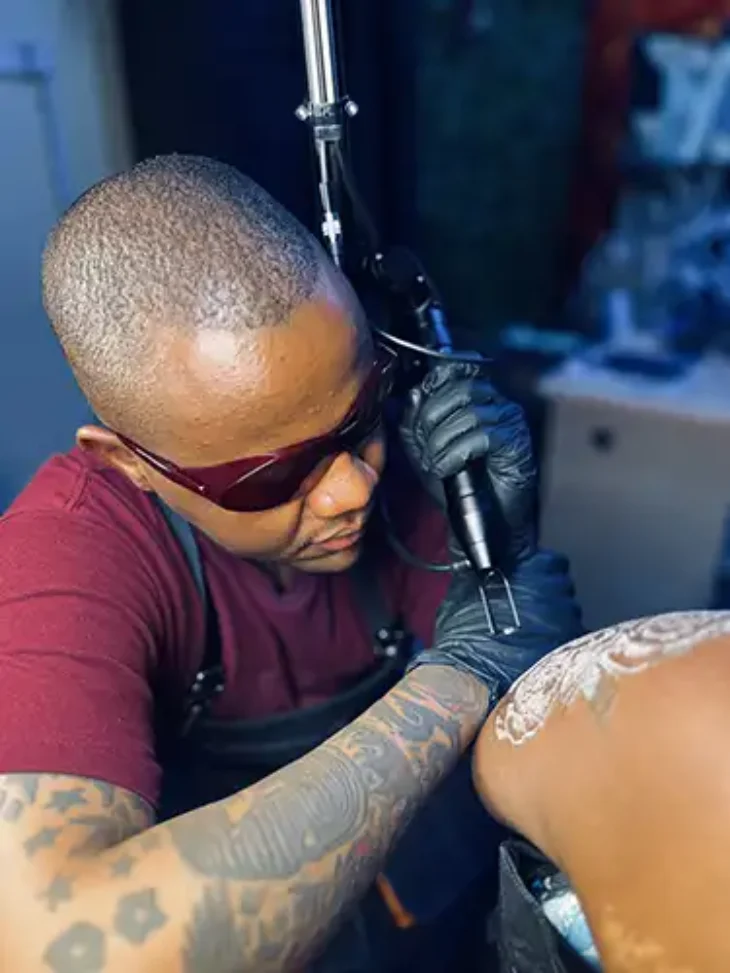
You must first understand the process of getting a tattoo in order to understand how it might be removed. Tattooing is a carefully controlled process that combines art, precision, and the body’s natural healing response. It may look simple from the outside, but a lot is happening beneath the skin to make a tattoo permanent and visually striking.
At the heart of tattooing is the tattoo machine. This device uses sterile needles that move up and down thousands of times per minute. As the needles puncture the skin, they deliver small amounts of ink with each movement. The needles do not stay in the skin; instead, they rapidly insert and retract, allowing our artist to create clean lines, smooth shading, and detailed designs.
The most important part of tattooing is where the ink is placed. Human skin has multiple layers, but tattoo ink is deposited into the dermis, the middle layer of the skin. The top layer, known as the epidermis, constantly sheds and renews itself, which is why ink placed too shallowly would fade quickly. The dermis, however, is stable and does not regenerate in the same way, making it the ideal layer to hold tattoo ink long-term. Proper depth is crucial—too shallow and the tattoo fades, too deep and the ink can spread, causing a blurry appearance.
Once the ink enters the dermis, the body recognizes it as a foreign substance. The immune system responds by sending white blood cells to the area to remove the ink particles. However, tattoo ink particles are too large for the body to fully break down and eliminate. As a result, much of the ink remains trapped within the dermis, held in place by surrounding skin cells. This is what makes tattoos permanent.
After the tattooing process, the skin begins to heal. The area may appear red, swollen, and sore, which is completely normal. As healing progresses, scabs form and eventually fall off, revealing the healed tattoo beneath. Surface healing usually takes about two to four weeks, although deeper layers of skin continue to recover for several months. Proper aftercare during this stage is essential to prevent infection and preserve the quality of the tattoo.
What to expect during your appointment for laser tattoo removal
Here’s a clear, step-by-step guide on what to expect during your laser tattoo removal appointment, so you feel fully prepared and confident before your session:
- Consultation and Skin Assessment
Your appointment usually begins with a professional consultation. Our laser specialist will:
– Examine your tattoo (size, color, depth, and location)
– Assess your skin type and tone
– Ask about your medical history and any skin conditions
– Discuss your goals (complete removal or fading for a cover-up)
– Estimate the number of sessions required
This step ensures the treatment is safe and customized specifically for you. - Preparation of the Treatment Area
Before the laser treatment begins:
– The area will be cleaned to remove oils, dirt, or lotions
– Our technician may shave the area if necessary
– Photos may be taken to track progress
– A numbing cream may be applied (optional, depending on the clinic and your preference)
At Rebel Inks Tattoos, Tattoo Removal, and Body Piercings Parlour weat times also use a cooling device to improve comfort. - Protective Measures
Safety is a top priority.
– You and our technician will wear protective eyewear
– This protects your eyes from the laser light - The Laser Treatment Process
This is the main part of the appointment.
– During treatment:
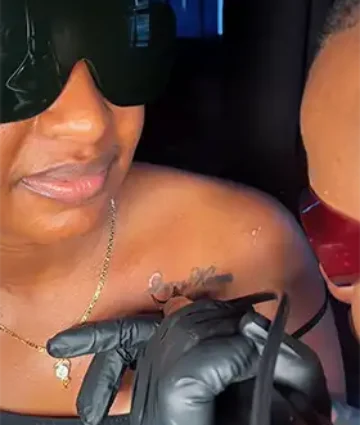
→ The laser handpiece is placed over your tattoo
→ Short pulses of laser energy are delivered into the skin
→ The laser targets and breaks down the ink particles
– You may feel:
→ A sensation like a rubber band snapping against your skin
→ Mild heat or tingling
– Most sessions last:
→ 5 to 10 minutes for small tattoos
→ 20 to 30 minutes for larger tattoos
The exact time depends on the tattoo size. - Immediate Skin Reaction
Right after the laser treatment, you may notice:
– Whitening or “frosting” of the skin (temporary and normal)
– Redness
– Mild swelling
– Slight sensitivity (similar to a mild sunburn)
This is a normal response and usually subsides within hours to days. - Cooling and Aftercare Application
After the treatment:
– The area may be cooled with ice or a cold air device
– A soothing ointment may be applied
– The area may be covered with a bandage or dressing
You’ll receive aftercare instructions to help proper healing. - After the Appointment: Healing and Fading
After your session:
– Your immune system begins removing ink fragments
– The tattoo will gradually fade over the next 4–8 weeks
– Your next appointment will be scheduled after healing
Multiple sessions are needed for complete removal. - What Happens in the Days Following Treatment
You may experience:
– Mild redness or swelling
– Minor blistering or scabbing (normal)
– Gradual fading over time
These are normal healing responses.
How Laser Tattoo Removal Works
Targeted Laser Energy
Targeted laser energy is the core technology behind laser tattoo removal, and it works by precisely directing light to affect tattoo ink without damaging the surrounding skin. This selective approach is what makes modern laser tattoo removal both effective and safe.
During a laser tattoo removal session, our specialized medical-grade laser emits concentrated pulses of light at specific wavelengths. Each wavelength is chosen based on the color of the tattoo ink being treated. Tattoo pigments absorb these wavelengths much more readily than natural skin pigments, allowing the laser energy to focus almost entirely on the ink particles beneath the skin’s surface.
- Matching the Wavelength to the Ink Color
Different ink colors absorb different wavelengths of light.
– Black & dark blue ink → absorb 1064 nm (Nd:YAG)
– Red ink → absorbs 532 nm
– Green ink → absorbs 755 nm (Alexandrite)
– Blue ink → absorbs 694 nm (Ruby)
👉 The laser is selected or adjusted based on the ink color present. - Ultra-Short Pulses Protect the Skin
The laser fires in extremely short pulses (nanoseconds or picoseconds).
– Ink absorbs the energy faster than skin can heat up
– Heat doesn’t spread to surrounding tissue
– Skin remains largely unharmed
This prevents:
– Burns
– Scarring
– Excessive pigment damage
Ink Shattering (Photoacoustic Effect)
Ink shattering, also known as the photoacoustic effect, is one of the most important mechanisms in laser tattoo removal. It explains how laser energy breaks tattoo ink apart without cutting or burning the skin.
When a laser is applied during tattoo removal, it delivers extremely short, high-intensity pulses of light directly into the tattooed area. Tattoo ink particles are designed to absorb light, so when the laser energy reaches them, they absorb it almost instantly. This absorption happens much faster than the ink can release the energy as heat.
Because the energy is delivered in ultra-short bursts, the ink particles undergo a sudden and intense expansion. This rapid expansion creates a shockwave within the ink itself. Rather than melting or burning, the ink particles fracture and shatter into much smaller fragments. This physical breaking apart of the ink is what is known as the photoacoustic effect.
The surrounding skin tissue is largely spared during this process. Skin cells do not absorb the laser energy in the same way as tattoo ink, and the pulses are so brief that heat does not have time to spread into nearby tissue. This is why modern laser tattoo removal focuses on acoustic shockwaves rather than thermal damage, significantly reducing the risk of scarring.
Once the ink has been shattered into microscopic particles, the body can begin to remove it naturally. The immune system recognizes these fragments as foreign material and gradually carries them away through the lymphatic system over the following weeks. This slow clearance process is why tattoos fade progressively after each session rather than disappearing immediately.
Schedule Appointment
Letting the Body Do Its Work
Your Immune System Takes Over
Step 1: Laser Breaks Ink Into Tiny Fragments
- Too large for your immune system to remove
- Trapped deep in the dermis layer of your skin
- When the laser shatters the ink (photoacoustic effect), it turns large ink particles into much smaller fragments. These fragments are now small enough for your immune system to handle.
Step 2: White Blood Cells Detect the Ink
- Your immune system immediately recognizes the broken ink particles as foreign substances.
- Special immune cells called macrophages (a type of white blood cell) move into the treated area.
- Their job is to:
– Locate the ink fragments
– Surround them
– Engulf and digest them - This is the same process your body uses to remove bacteria and damaged cells.
Step 3: Ink Is Transported Through the Lymphatic System
- Once macrophages capture the ink fragments, they carry them into your lymphatic system.
- The lymphatic system is your body’s natural waste removal network. It transports unwanted particles to lymph nodes, where they are filtered and removed from the body.
- This process happens gradually and safely.
Step 4: Tattoo Fades Gradually Over Time
- This immune removal process continues for weeks after each session.
- You’ll notice:
– Gradual fading
– Lightening of the tattoo
– Continued improvement between sessions - This is why treatments are spaced 6–8 weeks apart, to allow your immune system enough time to clear the ink.
💪 Factors That Affect How Fast Your Body Removes Ink
Some people fade faster than others because of immune system efficiency. Factors include:
- Overall health
- Age
- Metabolism speed
- Hydration level
- Physical activity
- Tattoo location (areas with better blood flow fade faster)
- Smoking status (smoking slows removal)
For example, tattoos on the arms, chest, and upper back fade faster than tattoos on the hands, feet, or ankles.
Why Multiple Sessions Are Needed in the laser tattoo removal process
Multiple sessions are needed in the laser tattoo removal process because tattoo ink cannot be safely or completely removed in a single treatment. The removal process depends on gradual ink breakdown and your body’s natural healing and immune response.
Here’s exactly why multiple sessions are necessary:
- Ink Exists in Multiple Layers of the Skin
Tattoo ink is not stored in one place. It sits in different depths within the dermis.
– During one session:
→ The laser only reaches and breaks down some of the ink particles
→ Deeper ink layers remain untouched or only partially affected
Each additional session targets the remaining ink, layer by layer, until the tattoo fades completely. - Ink Must Be Broken Down Gradually
– Laser treatment shatters ink into smaller fragments, but:
→ Not all particles break down completely in one session
→ Some particles require repeated exposure to become small enough for immune removal
– Gradual breakdown prevents:
→ Skin damage
→ Scarring
→ Excessive trauma
This makes the process safer. - Your Immune System Needs Time to Remove the Ink
After each session, your immune system removes the shattered ink fragments through the lymphatic system.
– This process takes time:
→ Typically 6–8 weeks between sessions
→ Your body clears some ink before the next treatment
If sessions are done too close together, your body won’t have enough time to remove the ink efficiently. - Different Ink Colors Respond at Different Speeds
Some colors absorb laser energy better than others:
– Easier to remove:
→ Black
→ Dark blue
→ Dark grey
– Harder to remove:
→ Green
→ Yellow
→ Light blue
→ Fluorescent colors
Stubborn colors require additional sessions and specific laser wavelengths. - Tattoo Age, Depth, and Size Matter
Older tattoos are often easier to remove because the ink has already started breaking down naturally.
– Factors that increase sessions needed:
→ Professional tattoos (deeper ink)
→ Large tattoos
→ Dense ink saturation
→ Tattoos on feet, hands, or ankles (slower circulation) - Skin Needs Time to Heal Between Treatments
Laser tattoo removal creates controlled stress in the skin. Healing time allows:
– Skin repair
– Immune system ink removal
– Reduced risk of scarring or pigmentation changes
Proper healing ensures safer and more effective results.
⏳ Typical Number of Sessions Needed
- Most tattoos require:
– 6 to 12 sessions for significant removal
– 8 to 15 sessions for complete removal (depending on tattoo complexity)
Each session causes the tattoo to fade progressively.
Learn More on Factors Influencing Laser Tattoo Removal →
How does Aftercare Affect the the laser tattoo removal process
Aftercare plays a critical role in the success, safety, and speed of the laser tattoo removal process. Proper aftercare helps your skin heal correctly and supports your immune system in removing the shattered ink particles. Poor aftercare, on the other hand, can slow fading, cause complications, or even lead to scarring.
Here’s exactly how aftercare affects the process:
-
Promotes Faster Healing of the Skin
– Laser tattoo removal creates controlled microscopic injury in the skin. Aftercare helps your skin:
→ Repair damaged tissue
→ Reduce inflammation
→ Restore normal skin structure
– Proper healing ensures your skin is ready for the next session and reduces the risk of permanent damage.
Without proper aftercare, healing slows down and may delay your next treatment. -
Prevents Infection and Complications
– After treatment, your skin is temporarily more vulnerable. Keeping the area clean prevents:
→ Bacterial infection
→ Excessive swelling
→ Delayed healing
→ Scarring
Infections can interfere with ink removal and may cause permanent skin damage. -
Supports Your Immune System in Removing Ink
Your immune system removes the shattered ink particles through the lymphatic system. Good aftercare improves circulation and immune efficiency.
– Helpful practices include:
→ Staying hydrated
→ Maintaining good overall health
→ Light physical activity (after initial healing)
Better circulation helps your body flush ink particles faster. -
Prevents Skin Pigmentation Problems
– Sun exposure after laser tattoo removal can cause:
→ Hyperpigmentation (darkening)
→ Hypopigmentation (lightening)
→ Uneven skin tone
Protecting the treated area from sun exposure helps maintain normal skin color and prevents permanent discoloration. -
Prevents Scarring
– Improper aftercare—such as picking scabs, scratching, or irritating the area—can cause:
→ Permanent scars
→ Skin texture damage
→ Slower fading
Allowing the skin to heal naturally protects its appearance. -
Improves Overall Tattoo Fading Results
– When aftercare is followed properly:
→ Healing is faster
→ Ink removal is more efficient
→ Sessions are more effective
→ Fewer total sessions may be needed
Poor aftercare can slow progress and increase the number of sessions required.
✅ Essential Aftercare Instructions
- After each laser tattoo removal session:
- Keep the area clean and dry
- Avoid touching, scratching, or picking
- Avoid direct sun exposure
- Apply recommended healing ointment
- Avoid swimming for several days
- Avoid tight or irritating clothing
- Stay hydrated
Does laser tattoo removal hurt?
Yes, laser tattoo removal can hurt—but most people find it tolerable, and the discomfort lasts only a short time.
Here’s an honest, realistic explanation of what it feels like and why:
⚡ What the Pain Feels Like
Most clients describe the sensation as:
- A rubber band snapping against the skin
- Tiny hot pinpricks
- Or sparks hitting the skin
The feeling is quick and repetitive, but each pulse lasts only a fraction of a second.
The good news: sessions are usually fast—often just a few minutes for small tattoos.
How It Compares to Getting a Tattoo
Many people say laser tattoo removal feels:
- Similar to getting a tattoo, or
- Slightly more intense—but much faster
Because removal sessions are shorter, the discomfort ends quickly.
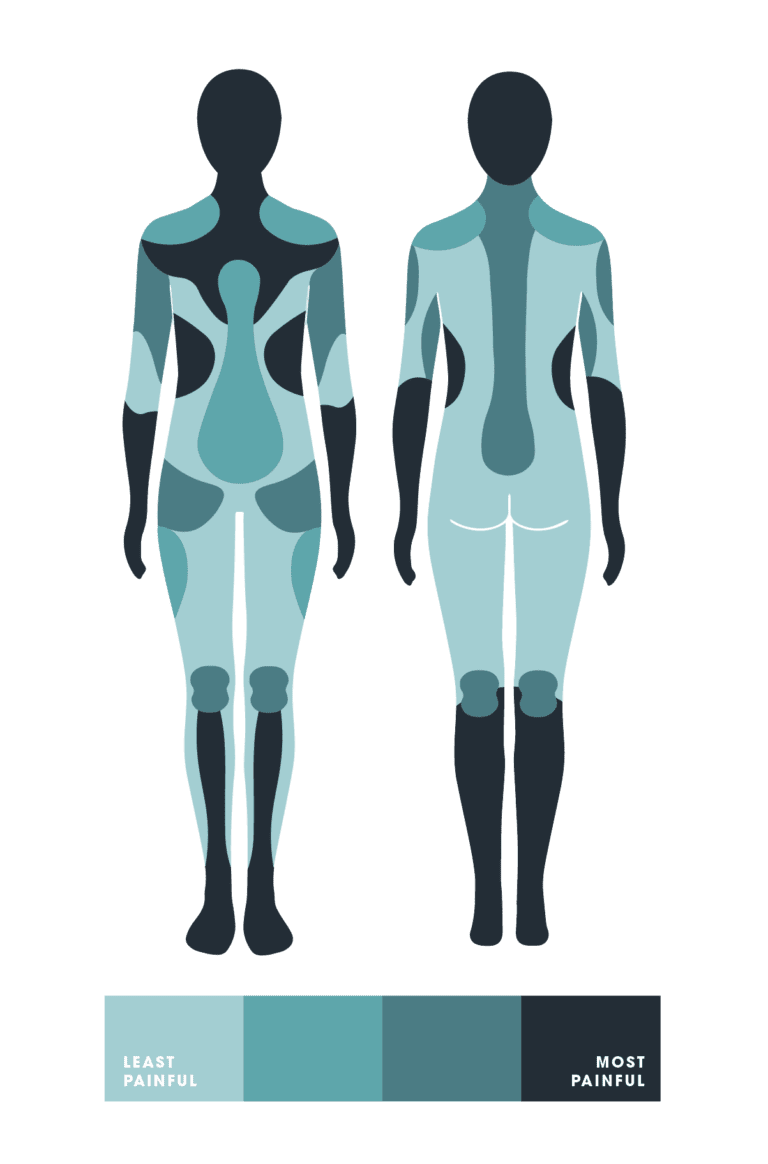
📍 Pain Level Depends on Tattoo Location
Some areas hurt more than others due to nerve sensitivity and skin thickness.
- More sensitive areas:
– Ribcage
– Ankle
– Wrist
– Fingers
– Spine
– Neck - Less sensitive areas:
– Upper arm
– Thigh
– Shoulder
– Calf
Areas with more fat and muscle tend to hurt less.
⏱️ The Pain Is Very Short-Lived
Unlike tattoos that can take hours, laser removal sessions usually last:
- 2–5 minutes for small tattoos
- 10–30 minutes for larger tattoos
Once the session ends, the pain stops immediately.
You may feel mild soreness afterward, similar to a sunburn.
Pain Gets Easier Over Time
- As the tattoo fades:
– Less ink remains to absorb laser energy
– Treatments often become more comfortable
Later sessions are usually easier than the first ones.
Choosing a specialist for laser tattoo removal
Choosing the right laser tattoo removal specialist is just as important as the treatment itself — the right professional keeps you safe, gets better results, and minimizes risks like scarring, pigmentation issues, or infections.
Here’s a clear guide to help you pick the best specialist:
-
Look for a Qualified Professional
– Laser tattoo removal should be done by someone with professional training or supervised medical oversight.
– Good specialists include:
→ Dermatologists
→ Certified laser technicians working under a veted professional
– Parlour’s with formal laser training
– Avoid:
❌ Unlicensed operators
❌ Beauty salons without medical supervision
❌ Places that promise “quick” or questionable results -
Verify Training & Qualifications
– Ask your specialist about:
✅ Laser training certificates
✅ Accreditation from recognized laser organizations
✅ Experience with different tattoo colors and skin types
– Specialist training matters because:
→ Different lasers are required for different ink colors
→ Skin tone affects laser settings and risk of pigmentation changes -
Experience With Multiple Laser Types
– The best specialists use advanced lasers such as:
→ Q-switched lasers
→ Picosecond lasers (especially effective on stubborn colors)
– A specialist should be able to explain:
✔ Why a specific laser is chosen
✔ How it targets your tattoo safely
✔ What results you can realistically expect -
Client Reviews & Before-After Photos
– Check for:
✨ Real client reviews
✨ Before and after photos
✨ Testimonials on fading results
– Good signs:
✔ Consistent fade over multiple sessions
✔ Minimal scarring or pigmentation issues
✔ Transparent documentation
– Beware of:
❌ Only perfect results (every tattoo is different)
❌ Fake or stock photos -
Thorough Consultation Before Treatment
– A good specialist will:
→ Ask about your medical history
→ Evaluate your tattoo (colors, age, depth)
→ Explain risks and expected outcomes
→ Offer a customized treatment plan
If they rush you into treatment without a proper assessment — that’s a red flag. -
Clear Communication & Realistic Expectations
Right from the first appointment, a good specialist should:
✔ Explain the process in plain language
✔ Tell you how many sessions to expect
✔ Outline pain expectations
✔ Give you proper aftercare instructions
Avoid anyone who promises guaranteed removal in a specific number of sessions — every tattoo responds differently. -
Safety, Cleanliness & Comfort Standards
The parlour should have:
→ 🧼 Clean, professional environment
→ Medical-grade lasers
→ Sterile tools and disposable materials
Your safety matters more than a low price. -
💰 Price ≠ Quality — But Transparency Is Important
Price should reflect:
✔ Laser quality
✔ Technician expertise
✔ Aftercare support
✔ Safety protocols
Look for clear pricing and no hidden fees.
If a parlour’s price is way lower than average, ask why — it could be:
❗ Lower quality equipment
❗ Inexperienced technicians
❗ Skipped safety measures -
Ask About Follow-Up and Support
Good specialists offer:
✔ Scheduled follow-ups
✔ Guidance on what to expect between sessions
✔ Help with any concerns during healing
Laser tattoo removal is a journey — not a one-time appointment. -
🧠 Trust Your Instincts
– If something feels off — whether it’s:
→ Rushed communication
→ Pressure to pre-pay
→ No consultation
→ Unrealistic promises
– Take a step back and ask more questions.
– At Rebel Inks Tattoos, Tattoo Removal, and Body Piercings Parlour our professional ensure you feel:
informed, safe, and confident.
Get In Touch
For more information on the list above and any other special services,please call or come in for free consultation
Testimonials













































































































































































































































































OUR LOCATION
Areas We Serve
NAIROBI
KIAMBU
KAJIADO
MACHAKOS