
How to Choose Your First Tattoo
Getting your first tattoo is a personal milestone—one that blends self-expression, identity, and permanent artistry. Whether it’s a small minimalist symbol or a detailed custom design, your first tattoo becomes part of your story, carried with you every day. Because of its permanence, the decision deserves thoughtful planning, clear understanding, and guidance from experienced professionals.
At its core, choosing your first tattoo is not just about picking an image—it’s about making an informed decision that balances meaning, aesthetics, and longevity. A well-planned tattoo should still look great years from now, fit naturally with your body, and remain something you’re proud to show or keep personal.
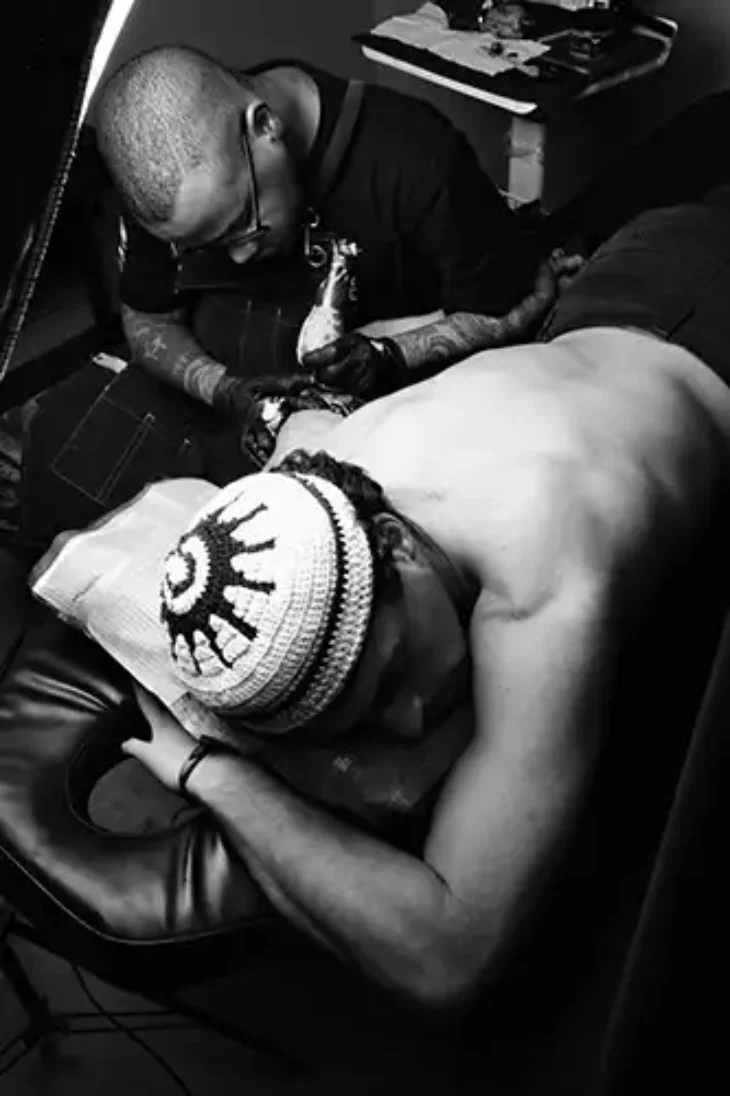
Many of our first-time clients feel overwhelmed by the number of choices available: design styles, placement options, size, pain levels, and even which artist to trust. It is completely normal to have questions like “What tattoo should I get?” or “Where is the best place for my first tattoo?” These decisions can feel exciting but also intimidating, especially when you want something meaningful that you won’t regret later.
This guide is designed to simplify that process. It will walk you through everything you need to know about choosing your first tattoo—from selecting a design that reflects your personality, to understanding different tattoo styles, placement considerations, pain levels, sizing, and how to choose the right tattoo artist. You will also learn what to expect before, during, and after your appointment so you can walk into the studio with confidence.
Why Your First Tattoo Matters
Your first tattoo is more than just body art—it is a lasting decision that becomes part of your identity. Unlike clothing, hairstyles, or accessories that can be changed over time, a tattoo is permanent. It stays with you through different phases of life, which is why the first one carries a unique level of significance. This is often the piece that shapes how you experience tattooing in the future, influencing your confidence, expectations, and appreciation of the art form.
One of the main reasons your first tattoo matters is because it sets the tone for your relationship with body art. For many people, it is a deeply emotional experience—whether it represents a personal milestone, a loved one, a belief, or simply a moment in life they want to remember forever. Because of this emotional weight, the design you choose should not be rushed or chosen impulsively. A well-considered tattoo often becomes a source of pride and meaning, while a poorly planned one can lead to regret or costly correction in the future.
Your first tattoo also plays an important role in how you understand your own style and preferences. It introduces you to key decisions such as placement, size, pain tolerance, and artistic style. For example, you may discover that you prefer fine line work over bold traditional designs, or that certain areas of the body feel more comfortable than others. This learning experience is valuable because it helps you make more informed choices for any future tattoos you may get.
From a practical perspective, your first tattoo also introduces you to the reality of the process itself—consultations, design adjustments, sitting through the session, and aftercare. Understanding what to expect helps reduce anxiety and ensures a smoother experience. A positive first experience builds trust with our artist and confidence in the process, while a negative one can discourage you from future tattoos altogether.
Finally, your first tattoo matters because it often becomes a benchmark for quality. It is the piece you will compare all future tattoos to, especially in terms of detail, healing, and artistic execution. Choosing a skilled artist and a well-thought-out design ensures that your introduction to tattooing is a positive one and sets a high standard for any future work you may consider.
1. Start with Meaning—or Aesthetics
One of the first and most important decisions when choosing your first tattoo is understanding why you want it. Broadly, tattoos fall into two main motivations: meaning-driven tattoos and aesthetic-driven tattoos. Both are equally valid, but knowing which direction you lean toward will make the entire decision-making process clearer, faster, and more satisfying.
Meaning-Based Tattoos
Meaning-based tattoos are rooted in personal significance. They are chosen to represent something important in your life—an experience, belief, memory, or relationship. These tattoos often carry emotional depth and remain relevant even as your life changes.
- Common examples include:
– Names or initials of loved ones
– Birthdates or Roman numerals
– Memorial tattoos for someone special
– Symbols of faith or spirituality
– Cultural or ancestral designs
– Life milestones (graduation, overcoming hardship, new beginnings)
– Symbols representing personal growth, strength, or resilience
The advantage of a meaning-based tattoo is that it tends to stay emotionally relevant over time. Even if your style changes, the story behind the tattoo often keeps it valuable to you. However, it’s still important to ensure the design is well thought out visually—not just meaningful but also artistically balanced. A strong tattoo should communicate meaning and look good as a piece of body art.
Symbolic Meaning Behind Common Tattoos →
Aesthetic-Based Tattoos
Aesthetic tattoos are chosen primarily for their visual appeal rather than a specific personal story. These are often inspired by art styles, trends, nature, or designs you simply find beautiful or interesting.
- Popular aesthetic choices include:
– Minimalist line art
– Geometric patterns
– Floral designs (roses, lilies, lotus, etc.)
– Animals with no symbolic attachment
– Abstract or ornamental designs
– Blackwork patterns or shapes
– Celestial themes (moons, stars, planets)
– Fine-line decorative tattoos
The strength of aesthetic tattoos is creative freedom. You are not restricted by meaning, which allows you to choose something purely based on style, composition, and how it complements your body. Many people also find that aesthetic tattoos become meaningful over time, even if they didn’t start that way, because they begin to represent a period in life or personal taste.
Finding the Right Balance
For our first-time tattoo clients, the best results often come from blending both meaning and aesthetics. A tattoo that looks visually strong and carries personal relevance tends to age better emotionally and artistically.
- For example:
– A minimalist mountain design representing resilience
– A floral piece chosen for a loved one’s birth flower
– A compass symbol tied to a life journey or direction
– A constellation linked to an important date
This balance ensures that your tattoo is not only beautiful on the skin but also meaningful enough that you won’t outgrow it quickly.
2. Think About Placement First
When choosing your first tattoo, one of the most overlooked but most important decisions is placement. Before you even finalize a design, it is essential to think about where the tattoo will sit on your body. Placement affects not only how the tattoo looks, but also how much it hurts, how well it ages, how visible it is in daily life, and how naturally it flows with your body’s shape.
A great design placed in the wrong area can lose its impact, while a simple design in the right location can look clean, balanced, and highly professional.
Visibility and Lifestyle Considerations
Start by asking yourself how visible you want your tattoo to be in everyday life.
- Highly visible areas (forearm, hands, neck) are bold choices and make a strong personal statement. They are ideal if you are comfortable with your tattoo being part of your public identity.
- Semi-visible areas (upper arm, shoulder, calf) offer flexibility—you can show or cover them depending on clothing and situation.
- Hidden areas (ribs, thigh, back) are more private and often chosen by people who want personal meaning without daily visibility.
Your lifestyle matters here. For example, if you work in a formal or corporate environment, you may prefer a placement that can be easily covered. If self-expression is a priority, visible placements might feel more authentic.
Pain Levels by Placement
Pain is another major factor, especially for a first tattoo. Different parts of the body feel very different during the tattoo process due to skin thickness, nerve endings, and bone proximity.
- Generally:
– Less painful areas: upper arm, forearm, thigh, calf
– Moderate pain areas: shoulder, outer arm, back
– More painful areas: ribs, spine, feet, hands, neck
For first-timers, starting with a less sensitive area can help make the experience more comfortable and enjoyable. A positive first session builds confidence for future tattoos.
How Placement Affects Design
Placement should guide your design—not the other way around. The shape of your tattoo should naturally follow the flow of your body.
- For example:
– Forearm tattoos work well with elongated designs like quotes, snakes, arrows, or floral vines.
– Shoulder tattoos suit circular or centered designs like mandalas or animals.
– Chest tattoos often work best with symmetrical or balanced compositions.
– Thigh tattoos allow for larger, more detailed artwork.
A well-placed tattoo enhances the body’s natural anatomy rather than fighting against it. This is where an experienced tattoo artist becomes very important—they can help adjust your design so it fits perfectly on your chosen area.
Aging and Longevity
Placement also affects how your tattoo will age over time. Areas that experience constant friction, stretching, or sun exposure tend to fade faster.
- For example:
– Hands and fingers fade quickly due to frequent use and washing.
– Ribs and stomach can stretch with body weight changes.
– Forearms and upper arms tend to hold ink well over time.
Choosing a placement with good long-term stability ensures your tattoo stays sharp and clear for years with minimal touch-ups.
Size and Detail Limitations
Not all placements can support highly detailed work. Small areas limit the level of detail your artist can safely include. If you try to fit a complex design into a small space, it may blur or lose clarity as it heals and ages.
That’s why placement and size should always be decided together. Sometimes increasing the size slightly or adjusting the location can dramatically improve the final result.
Choosing placement first gives structure to your entire tattoo decision. It helps narrow down design options, manage pain expectations, and ensure your tattoo fits naturally into your lifestyle and body.
When done correctly, placement turns a tattoo from just an image on skin into a well-integrated piece of personal art that feels intentional, balanced, and long-lasting.
Learn More on; Tattoo Placement Guide: How to Choose the Perfect Location for Your Tattoo →
3. Start Smaller Than You Think
One of the most common mistakes first-time tattoo clients make is choosing a design that is larger, more detailed, or more complex than they can comfortably commit to. While it is natural to feel excited and want something bold or highly expressive, starting smaller is often the smartest and most satisfying approach for your first tattoo experience.
A smaller tattoo is not “less meaningful” or “less impressive.” In fact, when done correctly, small tattoos are often the most elegant, timeless, and versatile pieces of body art.
Why Smaller Tattoos Work Better for Beginners
Your first tattoo is not just about the final result—it is also about experiencing the process. A smaller tattoo allows you to:
- Understand how your body reacts to tattooing
- Get familiar with pain levels without being overwhelmed
- Experience the full process from consultation to healing
- Build confidence in both the artist and the procedure
This makes your first experience smoother and less intimidating, especially if you are unsure about pain tolerance or long sitting sessions.
Simpler Designs Age Better
Smaller tattoos naturally encourage simpler designs, which often age more gracefully over time. Clean, minimal tattoos with strong lines tend to remain sharp and readable for years, while overly detailed designs in small spaces can blur as the skin heals and ages.
- For example:
– A small fine-line rose will stay elegant longer than a highly detailed micro-portrait
– A simple symbol or icon will remain clear compared to a complex, crowded composition
In tattooing, clarity is often more important than complexity—especially for beginners.
Easier to Place and Adjust
Smaller tattoos give you more flexibility when it comes to placement. They can fit naturally on areas like the wrist, forearm, ankle, collarbone, or behind the ear without overpowering your body’s natural shape.
- They also allow our tattoo artist to:
– Adjust placement more precisely
– Fine-tune spacing and alignment
– Work with your body’s contours more effectively
If you are unsure about where to place your tattoo, starting small gives you room to experiment without making a large permanent commitment in one area.
Lower Pain and Shorter Sessions
Another major advantage of starting small is the reduced physical demand. Smaller tattoos typically:
- Take less time to complete
- Require fewer needles passes over the skin
- Involve less swelling and fatigue
This makes the experience more manageable, especially for first-timers who may not yet know their pain threshold. A shorter session also helps reduce anxiety and makes the entire process feel more approachable.
Easier Financial Commitment
Smaller tattoos are generally more affordable, which allows you to:
- Work with a higher-quality artist within your budget
- Focus on design quality rather than size
- Avoid financial pressure during your first experience
Instead of stretching your budget for a large piece, you can invest in a well-executed smaller tattoo and prioritize craftsmanship.
You Can Always Build Later
One of the biggest advantages of starting small is that tattoos can always be expanded. Many large-scale tattoos begin as small standalone pieces that are later built into sleeves, half-sleeves, or larger compositions.
- For example:
– A small compass can later become part of a travel-themed sleeve
– A small floral piece can grow into a full botanical design
– A simple symbol can be incorporated into a larger abstract background
This gives you creative freedom over time without pressure to decide everything at once.
Think of your first tattoo as an introduction rather than a final statement. It is your opportunity to learn what you like, how your body responds, and how you feel living with permanent art.
Starting smaller does not limit your creativity—it protects your decision-making space. It allows you to build experience, confidence, and clarity before committing to larger or more complex work in the future.
4. Research the Tattoo Artist Before Choosing a Design
Many people spend weeks or even months searching for the perfect tattoo design, but one of the most important decisions you will make is choosing the right tattoo artist. The skill, experience, and artistic style of your tattoo artist will have a greater impact on your final tattoo than the design itself. Even the most beautiful concept can fall short if it is not executed by a qualified professional, while a skilled artist can refine your idea into a custom piece that looks better than you imagined.
For your first tattoo, it is often wiser to find the right artist first and then develop the design together. An experienced artist will help you select a design that suits your body, complements your skin, and stands the test of time.
Why the Tattoo Artist Matters More Than the Design
A tattoo is permanent, and unlike a drawing on paper, it must work with the curves, movement, and texture of your skin. Professional tattoo artists understand how to adapt artwork so it flows naturally with your body’s anatomy.
- At Rebel Inks Tattoos, Tattoo Removal, and Body Piercings Parlour our experienced artist will know how to:
– Improve your original idea without changing its meaning.
– Recommend the ideal size for long-term clarity.
– Suggest the best placement for balance and visibility.
– Adjust fine details so they heal properly.
– Ensure the tattoo ages beautifully over the years.
Rather than simply copying an image from the internet, a professional artist creates a tattoo that is uniquely suited to you.
Choose an Artist Who Specializes in Your Preferred Style
Tattooing is a diverse art form, and most artists develop expertise in specific styles. Choosing an artist whose portfolio matches your vision significantly increases your chances of getting a tattoo you’ll love. For example:
- Fine Line Tattoos
– Look for:
→ Smooth, consistent lines
→ Even spacing
→ Clean healing results - Black & Grey Realism
– Look for:
→ Smooth shading
→ Strong contrast
→ Realistic depth - Traditional Tattoos
– Look for:
→ Bold outlines
→ Vibrant colors
→ Balanced composition - Geometric and Ornamental Tattoos
– Look for:
→ Perfect symmetry
→ Precise line work
→ Clean intersections - Japanese Tattoos
– Look for:
→ Large flowing compositions
→ Rich shading
→ Strong storytelling elements
Study the Artist’s Portfolio Carefully
A tattoo portfolio reveals the artist’s consistency, technical ability, and creative style. Rather than judging by one impressive tattoo, look for quality across many pieces. Pay close attention to:
- Line Quality
– Healthy tattoos should have:
→ Straight, confident lines
→ Smooth curves
→ Consistent thickness
→ No shaky or uneven outlines - Shading
– Good shading should appear:
→ Smooth and gradual
→ Evenly blended
→ Free from patchy areas
→ Rich in depth - Color Saturation
– If you’re considering a color tattoo, check that the artist’s work shows:
→ Bright, even color
→ Strong saturation
→ Minimal fading after healing
Healed Tattoos
Fresh tattoos can look impressive simply because they are new. The true test of an artist’s skill is how their tattoos look after healing.
- Look for photos taken:
→ One month later
→ Three months later
→ Six months later
→ One year later
– These images reveal:
→ Ink retention
→ Line sharpness
→ Overall longevity
Artists who proudly share healed work often demonstrate confidence in the durability of their craftsmanship.
Read Client Reviews and Testimonials
Client reviews provide valuable insight into the overall experience, not just the artwork. Positive feedback often highlights professionalism, communication, cleanliness, and aftercare support.
- Look for comments about:
– Friendly and respectful service
– Clear communication
– Punctuality
– Comfortable studio atmosphere
– Professional hygiene practices
– Satisfaction with the healed tattoo
Repeated praise for these qualities is a strong indicator of a reliable studio.
Visit the Tattoo Studio Before Booking
Whenever possible, visit the studio in person. A consultation allows you to evaluate the environment and ask questions before committing.
- A professional studio should feel:
– Clean and organized
– Welcoming and comfortable
– Well-lit
– Properly ventilated
– Focused on client safety
You should also notice whether staff are approachable, attentive, and willing to discuss your ideas without pressure.
Ask Questions During the Consultation
A consultation is your opportunity to learn about the artist’s process and determine whether they’re the right fit for your project.
- Consider asking:
– How long have you been tattooing?
– Have you created tattoos similar to my idea?
– Can this design be customized?
– What size do you recommend?
– Where would this tattoo look best?
– How many sessions will it take?
– How should I prepare for my appointment?
– What aftercare products do you recommend?
– Will this design age well over time?
A professional artist should answer your questions clearly, explain their recommendations, and help you make informed decisions rather than rushing you into an appointment.
Prioritize Safety and Hygiene
Your health should always come before price or convenience. A reputable tattoo studio follows strict hygiene standards to reduce the risk of infection and ensure a safe experience.
- Look for studios that:
– Use single-use, sterile needles.
– Open new equipment in front of you.
– Wear fresh disposable gloves and change them when necessary.
– Disinfect workstations before and after every client.
– Use high-quality, professional tattoo inks.
– Provide clear written or verbal aftercare instructions.
Never feel uncomfortable asking about sterilization procedures. A trustworthy artist will be happy to explain how they maintain a safe environment.
Avoid Choosing an Artist Based Only on Price
While budget is important, the cheapest option is rarely the best value when it comes to permanent body art. An inexpensive tattoo that requires touch-ups, a cover-up, or laser removal can end up costing far more than investing in quality from the start.
- Remember:
– Good tattoos aren’t cheap.
– Cheap tattoos often aren’t good.
Instead of asking, “Who charges the least?” ask, “Who has the skills and experience to create a tattoo I’ll be proud of for years?”
Look for an Artist You Feel Comfortable With
Your first tattoo is a personal experience, and you’ll likely spend anywhere from 30 minutes to several hours with your artist. Choose someone who listens carefully, respects your ideas, communicates honestly, and makes you feel comfortable throughout the process.
- A good tattoo artist will:
– Listen to your vision without judgment.
– Offer professional advice based on experience.
– Explain why certain changes may improve the design.
– Set realistic expectations about size, placement, healing, and longevity.
– Never pressure you into making a quick decision.
Feeling comfortable with your artist helps build trust and ensures a more enjoyable experience from consultation to aftercare.
Your first tattoo should never feel rushed or based solely on a design you found online. A skilled artist will collaborate with you to create a custom piece that fits your personality, complements your body, and remains visually appealing for years to come.
By taking the time to research artists, compare portfolios, verify hygiene standards, and schedule a consultation, you significantly increase your chances of leaving the studio with a tattoo that is safe, beautifully executed, and something you’ll be proud to wear for a lifetime. Investing in the right artist is one of the smartest decisions you can make on your tattoo journey.
5. Consider How Your Tattoo Will Age
One of the biggest mistakes first-time tattoo clients make is focusing only on how their tattoo will look on the day they leave the studio. While the fresh tattoo is exciting, the real measure of a great tattoo is how well it looks 5, 10, 20, or even 30 years later. A professionally designed tattoo should not only be beautiful when it’s new but also remain clear, recognizable, and visually appealing as your skin naturally changes over time.
Tattoos are a lifelong investment. Understanding how they age will help you make smarter decisions about the design, placement, size, color, and artist you choose.
Why Tattoos Change Over Time
No tattoo remains exactly the same forever. As your body ages, your skin naturally changes due to factors such as:
- Reduced skin elasticity
- Sun exposure
- Weight gain or weight loss
- Pregnancy
- Muscle growth
- Natural collagen loss
- Friction from clothing
- The body’s immune response gradually breaking down ink particle
These changes are normal and happen to every tattoo. However, a well-designed tattoo created by an experienced artist will continue to look attractive despite these natural changes.
The goal isn’t to prevent aging—it’s to choose a tattoo that ages gracefully.
Simplicity Ages Better Than Excessive Detail
One of the most important principles in tattoo longevity is that simple, clean designs generally age better than overly detailed ones.
Over time, tattoo ink naturally softens slightly beneath the skin. If a design contains many tiny lines packed closely together, those details may blur into one another as the years pass.
- Designs that tend to age well include:
– Minimalist tattoos
– Bold line work
– Traditional tattoos
– Simple geometric patterns
– Larger floral designs
– Blackwork
– Well-spaced lettering - Designs that require extra planning include:
– Extremely fine micro tattoos
– Tiny portraits
– Very detailed landscapes
– Small realistic faces
– Intricate script in tiny fonts
This doesn’t mean detailed tattoos are a bad choice—it simply means they should be large enough to preserve clarity over time.
Size Plays a Major Role
Many first-time clients ask for the smallest tattoo possible. While small tattoos can look elegant, shrinking a detailed design too much often sacrifices its longevity.
Imagine trying to fit an entire forest scene into a coin-sized tattoo. It may look impressive initially, but years later the fine details may become difficult to distinguish.
- Our professional tattoo artist may recommend making your tattoo slightly larger to allow for:
– Better spacing
– Cleaner lines
– Stronger contrast
– Long-term readability
– Sometimes increasing the design by just a few centimeters can significantly improve how it looks decades later.
Strong Contrast Helps Tattoos Stay Clear
Contrast refers to the difference between light and dark areas within a tattoo. High-contrast tattoos tend to age better because their shapes remain recognizable even as the ink naturally softens.
- Examples include:
– Bold black outlines
– Clear separation between design elements
– Solid black areas
– Well-balanced shading
– Negative space that allows the tattoo to “breathe”
Low-contrast tattoos with many similar tones or tightly packed details may gradually lose visual definition over time.
Placement Affects Longevity
Where you place your tattoo has a major influence on how well it ages.
Areas That Generally Age Well
- These areas experience less stretching and friction:
→ Upper arm
→ Outer forearm
→ Shoulder
→ Upper back
→ Calf
→ Outer thigh
– These locations often maintain crisp lines for many years.
Areas That Fade Faster
Some areas naturally experience more movement, friction, or sun exposure, including:
- Fingers
- Hands
- Palms
- Feet
- Toes
- Lips
Ink in these areas may fade more quickly and often requires touch-ups.
Areas Prone to Stretching
Certain body parts are more likely to change shape over time due to weight fluctuations, pregnancy, or muscle growth.
- Examples include:
– Abdomen
– Lower stomach
– Hips
– Chest
– Inner thighs
If you anticipate significant body changes, discuss placement options with our tattoo artist.
Black and Grey vs. Color Tattoos
Both black and grey and color tattoos can age beautifully when applied correctly, but they do so in different ways.
Black and Grey Tattoos
- Advantages:
– Timeless appearance
– Excellent longevity
– Gradual fading
– Easy to refresh with touch-ups
– Strong definition over time
Color Tattoos
- Advantages:
– Vibrant and eye-catching
– Greater artistic possibilities
– Excellent for floral and illustrative work - Considerations:
– Some lighter colors may fade faster.
– Sun protection is especially important.
– Periodic touch-ups may help maintain vibrancy.
Regardless of color choice, the artist’s technique and your aftercare routine have a greater impact on longevity than the color itself.
Learn More; Black & Grey vs Colored Tattoos: Which Tattoo Style Is Right for You?
Fine Line Tattoos Need Special Consideration
Fine line tattoos are increasingly popular because of their elegant, delicate appearance. However, they require exceptional precision and thoughtful design.
- To help fine line tattoos age well:
– Choose an artist who specializes in fine line work.
– Avoid overly crowded designs.
– Give lines enough spacing.
– Follow aftercare instructions carefully.
– Protect the tattoo from excessive sun exposure.
A well-executed fine line tattoo can remain beautiful for many years, but thoughtful planning is essential.
Sun Exposure Is One of the Biggest Causes of Fading
Ultraviolet (UV) rays gradually break down tattoo pigments, causing colors to fade and black ink to lose its richness.
- To protect your tattoo:
– Apply a broad-spectrum sunscreen (SPF 30 or higher) once the tattoo has fully healed.
– Cover your tattoo with clothing during prolonged sun exposure.
– Avoid excessive tanning.
– Moisturize regularly to keep the skin healthy.
Protecting your tattoo from the sun is one of the simplest and most effective ways to preserve its appearance.
Proper Aftercare Determines Long-Term Results
Even the best tattoo can heal poorly if aftercare is neglected.
- Following your artist’s aftercare instructions helps ensure:
– Better ink retention
– Reduced risk of infection
– Cleaner healing
– Sharper lines
– More vibrant color - Typical aftercare includes:
– Keeping the tattoo clean.
– Applying recommended moisturizer.
– Avoiding swimming until healed.
– Not scratching or picking at peeling skin.
– Avoiding excessive sweating during the initial healing period.
Good aftercare doesn’t just affect the first few weeks—it contributes to how your tattoo looks for years to come.
Choose a Timeless Design, Not Just a Trend
Tattoo trends come and go, but your tattoo is likely to remain with you for life.
- Before committing to a design, ask yourself:
– Will I still appreciate this design in 10 or 20 years?
– Does it reflect my personality rather than a passing trend?
– Is it something I’ll be comfortable wearing throughout different stages of my life?
Classic designs, meaningful symbols, well-composed artwork, and custom pieces often stand the test of time better than tattoos chosen solely because they are currently fashionable.
Work With an Artist Who Designs for Longevity
Experienced tattoo artists don’t just create artwork that looks impressive today—they design tattoos with the future in mind. They consider line thickness, spacing, contrast, placement, and how the ink will settle and age in your skin.
- At Rebel Inks Tattoos, Tattoo Removal, and Body Piercings Parlour, our skilled artist may suggest:
– Increasing the size slightly for better long-term clarity.
– Simplifying intricate details that may blur over time.
– Choosing a placement that preserves the tattoo’s shape.
– Adjusting the composition to follow your body’s natural contours.
– Using stronger contrast to improve longevity.
These recommendations aren’t limitations—they’re professional decisions that help ensure your tattoo remains attractive for decades.
Choosing your first tattoo isn’t just about what looks good today—it’s about selecting a piece of art that will continue to look beautiful throughout your life. By considering how your tattoo will age, investing in an experienced artist, choosing an appropriate size and placement, protecting it from the sun, and following proper aftercare, you’ll greatly improve the chances of enjoying your tattoo for many years to come.
The best tattoos are not only meaningful and beautifully designed—they are created with longevity in mind, allowing them to remain clear, balanced, and visually striking as you and your skin naturally evolve over time.
Get In Touch
For more information on the list above and any other special services,please call or come in for free consultation
Testimonials














































































































































































































































































OUR LOCATION
Areas We Serve
NAIROBI
KIAMBU
KAJIADO
MACHAKOS