
How to Prepare for Your First Tattoo Appointment
Getting your first tattoo is an exciting experience, but it can also feel overwhelming if you do not know what to expect. From choosing the right tattoo design and preparing your skin to understanding pain levels and aftercare, proper preparation plays a major role in ensuring your tattoo session is smooth, comfortable, and successful. Whether you are planning a small minimalist tattoo, a meaningful quote, a fine line design, or a full custom piece, knowing how to prepare for your first tattoo appointment can help reduce anxiety and improve the overall experience.
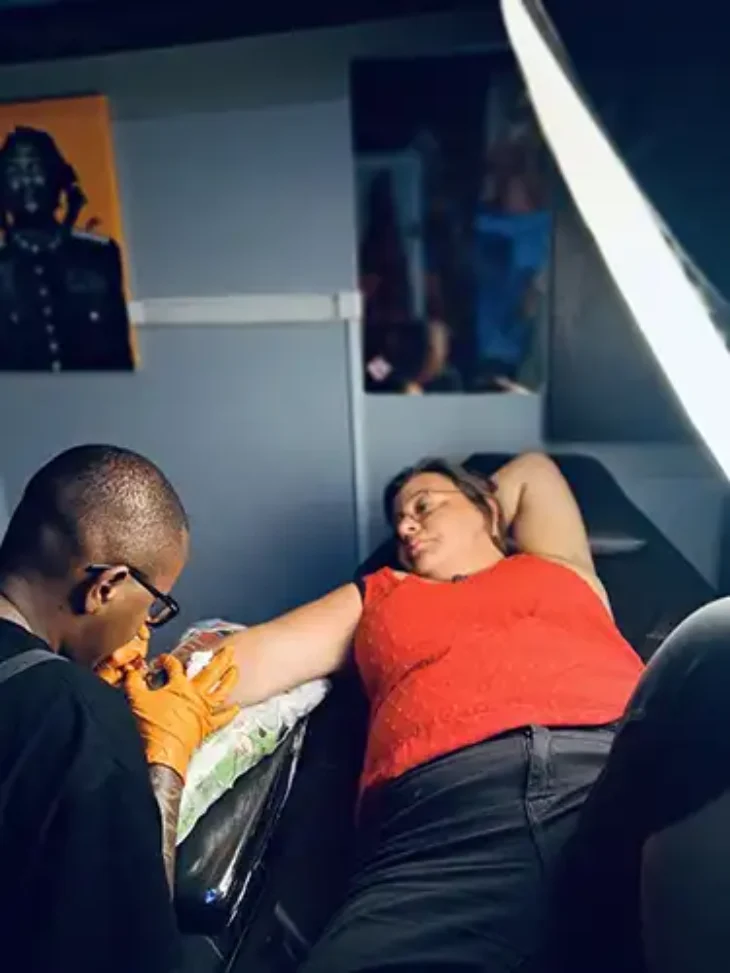
How to Prepare for Your First Tattoo Appointment
A tattoo is more than just body art — it is a permanent expression of your personality, memories, beliefs, creativity, or life journey. That is why taking time to prepare properly is essential for achieving the best tattoo results and promoting healthy healing afterward. Proper hydration, rest, nutrition, skin care, and communication with your tattoo artist all contribute to a better tattooing experience and a beautifully healed tattoo.
At Rebel Inks Tattoos, Tattoo Removal, and Body Piercings Parlour, preparation is just as important as the tattoo itself. Many of our first-time clients often ask questions like: “What should I eat before getting tattooed?”, “How painful is a tattoo?”, “What should I wear to my tattoo appointment?”, or “How do I care for a fresh tattoo?” These are important concerns, and having the right information beforehand helps you feel confident, relaxed, and fully prepared before sitting in the tattoo chair.
Choosing a clean, professional, and experienced tattoo studio is equally important. Hygiene standards, sterile equipment, experienced tattoo artists, and clear aftercare instructions all help ensure your safety and comfort throughout the process. At Rebel Inks Tattoos, Tattoo Removal, and Body Piercings Parlour our tattoo artists’ will guide you through every step, answer your questions honestly, and help you feel at ease before your appointment begins.
Related: Black and Grey Vs Coloured Tattoos →
Step 1: Choosing the Right Tattoo Artist and Studio
Choosing the right tattoo artist and tattoo studio is one of the most important decisions you will make before getting your first tattoo. A tattoo is permanent body art, and the quality of the artist you choose will directly affect how your tattoo looks, heals, and ages over time. While tattoo prices and convenience may influence your decision, professionalism, hygiene, experience, and artistic skill should always come first.
Many first-time clients make the mistake of rushing into a tattoo appointment without researching the artist or studio properly. At Rebel Inks Tattoos, Tattoo Removal, and Body Piercings Parlour, our professional tattoo studio not only creates high-quality tattoos but also prioritizes cleanliness, safety, customer comfort, and proper aftercare guidance. Taking time to choose the right tattoo artist helps ensure you receive a tattoo you will proudly wear for years to come.
Research the Tattoo Artist’s Style and Experience
Every tattoo artist has a unique artistic style and specialty. Some artists specialize in:
- Black and grey tattoos
- Realism tattoos
- Fine line tattoos
- Traditional tattoos
- Colored tattoos
- Tribal tattoos
- Geometric tattoos
- Portrait tattoos
- Minimalist tattoos
Experienced tattoo artists often share their work on social media platforms, websites, or studio galleries. Reviewing healed tattoo results is especially important because it shows how the tattoo looks after the skin has fully recovered.
Read Client Reviews and Testimonials
Look for consistent positive feedback from previous clients. A reputable tattoo studio will usually have strong reviews on:
Step 2: Know Your Tattoo Design and Placement
Before booking your first tattoo appointment, it is important to have a clear understanding of the tattoo design you want and where you want it placed on your body. Your tattoo is a permanent piece of art and personal expression, so taking time to carefully think through the design, size, style, and placement can help ensure you are fully satisfied with the final result for years to come.
Many of our first-time tattoo clients feel excited about getting tattooed but may rush into choosing a design or placement without fully considering long-term factors such as visibility, pain level, body movement, aging, lifestyle, or professional settings. A well-planned tattoo not only looks better aesthetically but also heals better and ages more gracefully over time.
Whether you are considering a minimalist tattoo, fine line tattoo, black and grey tattoo, tribal tattoo, realism tattoo, script tattoo, or custom artwork, understanding your design and placement choices is one of the most important parts of preparing for a successful tattoo appointment.
Choose a Tattoo Design With Personal Meaning
- A tattoo often represents something deeply personal, including:
– Memories
– Life experiences
– Beliefs
– Culture
– Creativity
– Loved ones
– Achievements
– Spiritual meaning
– Motivation or inspiration
While trendy tattoos may look appealing online, it is important to choose a design that genuinely resonates with you personally rather than following temporary trends. Since tattoos are permanent, meaningful designs tend to remain emotionally valuable over time.
Symbolic Meaning Behind Common Tattoos →
Research Different Tattoo Styles
Every tattoo style has its own artistic appearance, level of detail, and healing characteristics. Before your appointment, spend time exploring different tattoo styles so you can communicate clearly with your tattoo artist.
- Popular tattoo styles include:
– Fine line tattoos
– Black and grey tattoos
– Colored tattoos
– Traditional tattoos
– Neo-traditional tattoos
– Tribal tattoos
– Geometric tattoos
– Watercolor tattoos
– Realism tattoos
– Japanese tattoos
– Minimalist tattoos
– Lettering and script tattoos
Bring Reference Images
Reference images help communicate your ideas more effectively during the tattoo consultation. You do not need to copy another tattoo exactly, but inspiration photos can help our artist understand:
- The style you like
- Preferred shading
- Color preferences
- Line thickness
- Placement ideas
- Overall mood or aesthetic
At Rebel Inks Tattoos, Tattoo Removal,and Body Piercings Parlour, our tattoo artists often combine your inspiration with their artistic expertise to create a custom tattoo design unique to you.
Consider the Size of Your Tattoo
Tattoo size plays a major role in both appearance and longevity. Very small tattoos may lose detail over time, while larger tattoos allow for more intricate artwork and smoother aging.
- When deciding on tattoo size, consider:
– Design complexity
– Visibility
– Budget
– Pain tolerance
– Future expansion possibilities
– Healing process
Some detailed tattoos require larger placement areas to maintain clarity over time. Our tattoo artist can help recommend the best size for your chosen design.
Understand How Tattoo Placement Affects Pain Levels
Tattoo placement significantly affects pain intensity because different body areas have varying skin thickness, nerve density, and muscle coverage.
- Generally, more painful tattoo areas include:
– Ribs
– Spine
– Neck
– Hands
– Feet
– Knees
– Elbows
– Sternum - Less painful areas for beginners often include:
– Forearm
– Upper arm
– Shoulder
– Thigh
– Calf
Think About Visibility and Lifestyle
Tattoo placement can affect both your personal and professional life. Before choosing placement, think carefully about:
- Workplace dress codes
- Career goals
- Family preferences
- Social environments
- Future visibility
Consider How the Body Changes Over Time
- The body naturally changes with:
– Weight fluctuations
– Muscle growth
– Aging
– Pregnancy
– Skin elasticity changes
Certain body areas may stretch or distort more over time. Our professional tattoo artist can recommend placements that help preserve the tattoo’s appearance long term.
- Areas that generally age well include:
– Forearms
– Upper arms
– Shoulders
– Calves
Body movement and friction can influence tattoo healing and longevity. Areas that experience constant rubbing or stretching may fade faster over time.
- Examples include:
– Fingers
– Hands
– Feet
– Inner thighs
– Joints
Step 3: Stay Hydrated and Eat Before Your Appointment
One of the most overlooked yet extremely important parts of preparing for a tattoo appointment is staying properly hydrated and eating a healthy meal before your session. Your body goes through physical stress during tattooing, and being well-nourished and hydrated helps improve your comfort, energy levels, pain tolerance, and overall tattoo experience. Whether you are getting a small minimalist tattoo or sitting through a long tattoo session, preparing your body beforehand can make a significant difference in how you feel during and after the appointment.
Many first-time tattoo clients underestimate how physically demanding a tattoo session can be. Tattooing involves repeated needle penetration into the skin, which can place stress on the body over time. Without enough food or water, some people may experience:
- Dizziness
- Fatigue
- Lightheadedness
- Low blood sugar
- Increased sensitivity to pain
- Nausea
- Difficulty sitting through the session
Proper hydration and nutrition help your body stay balanced, relaxed, and better prepared for the tattoo process.
How Much Water Should You Drink?
In the 24–48 hours leading up to your tattoo appointment, aim to drink plenty of water consistently throughout the day rather than trying to drink excessive amounts all at once right before the session.
- Helpful hydration tips include:
– Carry a reusable water bottle
– Drink water regularly during the day
– Avoid dehydration from excessive heat or exercise
– Continue sipping water before and during the appointment
What to Eat Before Getting a Tattoo
The best pre-tattoo meals are balanced, nutritious, and filling without being overly heavy. Ideally, eat 1–2 hours before your appointment.
- Focus on foods that provide:
– Protein for energy and recovery
– Healthy carbohydrates for sustained energy
– Fruits and vegetables for nutrients and hydration - Good meal options include:
– Chicken with rice and vegetables
– Eggs and toast
– Oatmeal with fruits
– Sandwiches with lean protein
– Pasta with protein
– Smoothies with fruits and protein - Healthy snacks you can bring include:
– Nuts
– Granola bars
– Bananas
– Crackers
– Fruit juice
Step 4: Get a Good Night’s Sleep Before Your Tattoo Appointment
Getting a good night’s sleep before your tattoo appointment is one of the simplest yet most important ways to prepare your body and mind for the tattooing process. Many first-time tattoo clients focus heavily on choosing a tattoo design or managing pain expectations but underestimate how much proper rest can affect their comfort, pain tolerance, energy levels, and overall tattoo experience.
Tattooing places physical and mental stress on the body. Your skin is being repeatedly punctured with needles for an extended period of time, and your body responds by activating natural healing and stress-response systems. Arriving at your appointment well-rested helps your body handle this process more effectively, making the session smoother, more comfortable, and easier to manage — especially for first-time clients.
Whether you are getting a small minimalist tattoo or sitting through a large custom tattoo session, quality sleep helps prepare both your body and mind for the experience ahead.
- Avoid:
– Alcohol consumption
– Excessive caffeine late at night
– Recreational drugs
– Sleep deprivation
– Heavy partying - These habits may lead to:
– Dehydration
– Fatigue
– Increased bleeding
– Poor concentration
– Reduced pain tolerance
Step 5: Wear Comfortable Clothing to Your Tattoo Appointment
Choosing the right clothing for your tattoo appointment may seem like a small detail, but it plays a big role in how smooth, comfortable, and stress-free your experience will be. Since tattoos require direct access to the skin, your outfit should make it easy for the tattoo artist to work while keeping you relaxed throughout the session.
Choosing the right clothing for your tattoo appointment may seem like a small detail, but it plays a big role in how smooth, comfortable, and stress-free your experience will be. Since tattoos require direct access to the skin, your outfit should make it easy for the tattoo artist to work while keeping you relaxed throughout the session.
Step 6: Avoid Blood Thinners Before the Session
Certain foods, medications, and substances can affect how your blood behaves during the tattooing process, potentially increasing bleeding, slowing down the tattooing process, and affecting how well the ink settles into your skin.
Tattooing involves thousands of tiny needle punctures that deposit ink into the dermis layer of the skin. While some light bleeding and fluid release is normal, excessive bleeding can make it harder for the tattoo artist to work cleanly and may slightly impact the clarity of the design. Proper preparation helps ensure a smoother session, better ink retention, and a more comfortable experience overall.
What Are Blood Thinners?
Blood thinners are substances that reduce the blood’s ability to clot quickly. In the context of tattoo preparation, this doesn’t only refer to prescription medication—it also includes common foods, drinks, and supplements that can naturally increase blood flow or reduce clotting efficiency.
- Blood thinners may:
– Increase bleeding during tattooing
– Make the skin more slippery for the artist
– Cause ink dilution on the skin surface
– Require more wiping and longer working time
– Slightly affect tattoo precision in detailed areas
While this does not usually make a tattoo unsafe, it can make the process less efficient and slightly more uncomfortable.
Medications to Be Cautious With
- Some prescription and over-the-counter medications can thin the blood. These include:
– Aspirin (very important to avoid unless medically necessary)
– Ibuprofen (in some cases, depending on dosage and usage)
– Certain anti-inflammatory drugs (NSAIDs)
– Blood pressure or heart medications (only if advised by your doctor)
If you are on prescribed medication, do not stop taking it without medical advice. Instead, inform both your doctor and your tattoo artist before your appointment so they can guide you safely.
Natural Foods and Substances That Thin the Blood
Some everyday foods and supplements can also slightly increase blood flow or reduce clotting. These include:
- Alcohol (one of the most important to avoid)
- Garlic (in large amounts)
- Ginger
- Fish oil / Omega-3 supplements
- Vitamin E supplements
- Energy drinks (can affect circulation and sensitivity)
While these are healthy in normal life, it is best to avoid excessive intake 24–48 hours before your tattoo appointment.
Get In Touch
For more information on the list above and any other special services,please call or come in for free consultation
Testimonials

















































































































































































































































































OUR LOCATION
Areas We Serve
NAIROBI
KIAMBU
KAJIADO
MACHAKOS